Cornwall gets talked about a lot as an elopement destination, and for good reason. The coastline alone covers most of what couples are looking for: cliffs, beaches, coves, open headlands, old chapels perched on rocks. It shifts constantly, and the variety means you’re not locked into one backdrop for the whole day. It’s also far enough from home that it genuinely feels like you’ve gone somewhere, without needing a passport or a flight.
But before you start picturing vows on a clifftop at sunset, there’s something you need to know. In England, you can’t legally get married on a beach. Or a cliff. Or a field. You can only get legally married in a licensed venue or a register office. That’s the law, and it hasn’t changed yet, no matter how many Instagram posts suggest otherwise.
That doesn’t mean you can’t elope to Cornwall and have your ceremony on a cliff. It just means you split it. You do the legal bit at a registry office or licensed venue; which takes about fifteen minutes and then you have a celebrant-led ceremony wherever you want! It could be at the beach, the cliffs, a ruined chapel, a field full of wildflowers or just an open hill. The celebrant ceremony isn’t legally binding, but it’s the one that feels like your wedding. Most couples who elope in Cornwall do it this way and nobody tells their guests which ceremony was the legal one.
This guide covers how it all works. The legal process, the best locations, what the day actually looks like, what it costs, and when to go. If you’re sitting on the couch right now wondering whether Cornwall is the right place to elope, this is written for you.
Can You Legally Elope in Cornwall?
Yes but with caveats. You can absolutely elope to Cornwall. You can have a beautiful, intimate ceremony on a clifftop or a beach with vows, rings, and everything that makes it feel real. But that ceremony won’t be legally binding unless it takes place in a licensed venue with a registrar present.
English marriage law requires that the legal ceremony happens in an approved location. For Cornwall, that means either a register office or one of the many licensed wedding venues across the county. The Cornwall Council website has a full list of approved venues. Some of them are stunning in their own right such as their cliff-edge hotels, manor houses, converted barns, so the legal bit doesn’t have to feel like a formality in a grey office if you want to have some more aesthetically pleasing pictures.
The most common approach for couples eloping in Cornwall is to split the day into two parts. You do the legal registration at a registry office or small licensed venue; this takes about fifteen to twenty minutes with a registrar, two witnesses, and the signing. Then you head to your chosen outdoor location for a celebrant-led ceremony. This is the one you plan around. The vows, the setting, the atmosphere, the photos. It’s not legally binding, but it’s the ceremony that matters to you.
Some couples do it on separate days. Legal bit on a Thursday afternoon at the registry office in Truro or Penzance, then the celebration on the beach on Saturday. Others do it all on the same day, having the registry office first thing, then driving straight to the coast for the celebrant ceremony. Either works. You just need to make sure the legal paperwork is handled at some point.
The third option is to just go to your local registrar, sit down, sign it, and then go to Cornwall for the celebrant-led ceremony.
The legal requirements for getting married in England are fairly standard. You need to give notice at your local register office at least 29 days before the ceremony (28 days technically, but most registrars say 29 to be safe). Both of you need to attend in person. You’ll need your passport or birth certificate, proof of address, and a decree absolute if you’ve been divorced. The notice costs around £35 per person. After the notice period, you’re clear to marry at the venue you’ve booked within 12 months.
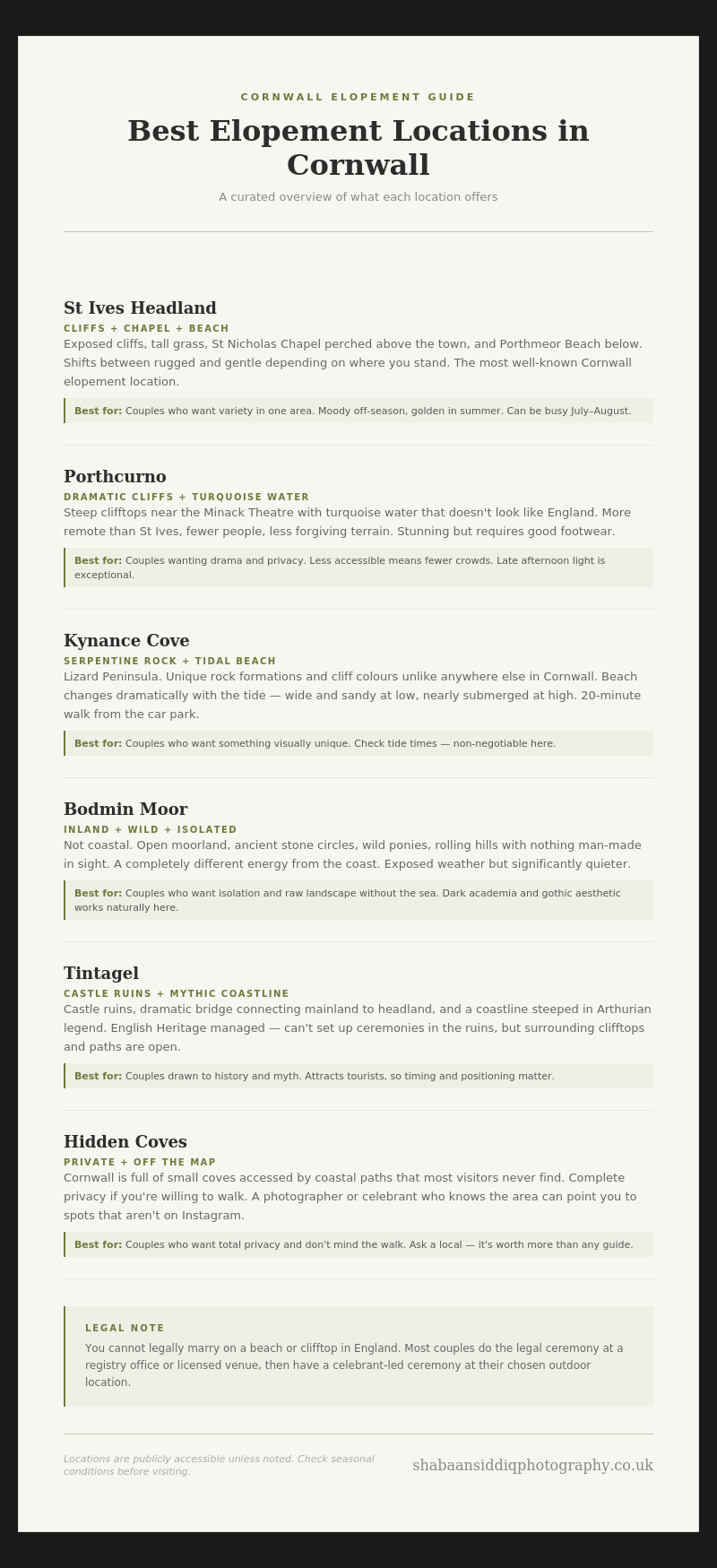
Best Locations for a Cornwall Elopement
St Ives: The Headland and Coastline
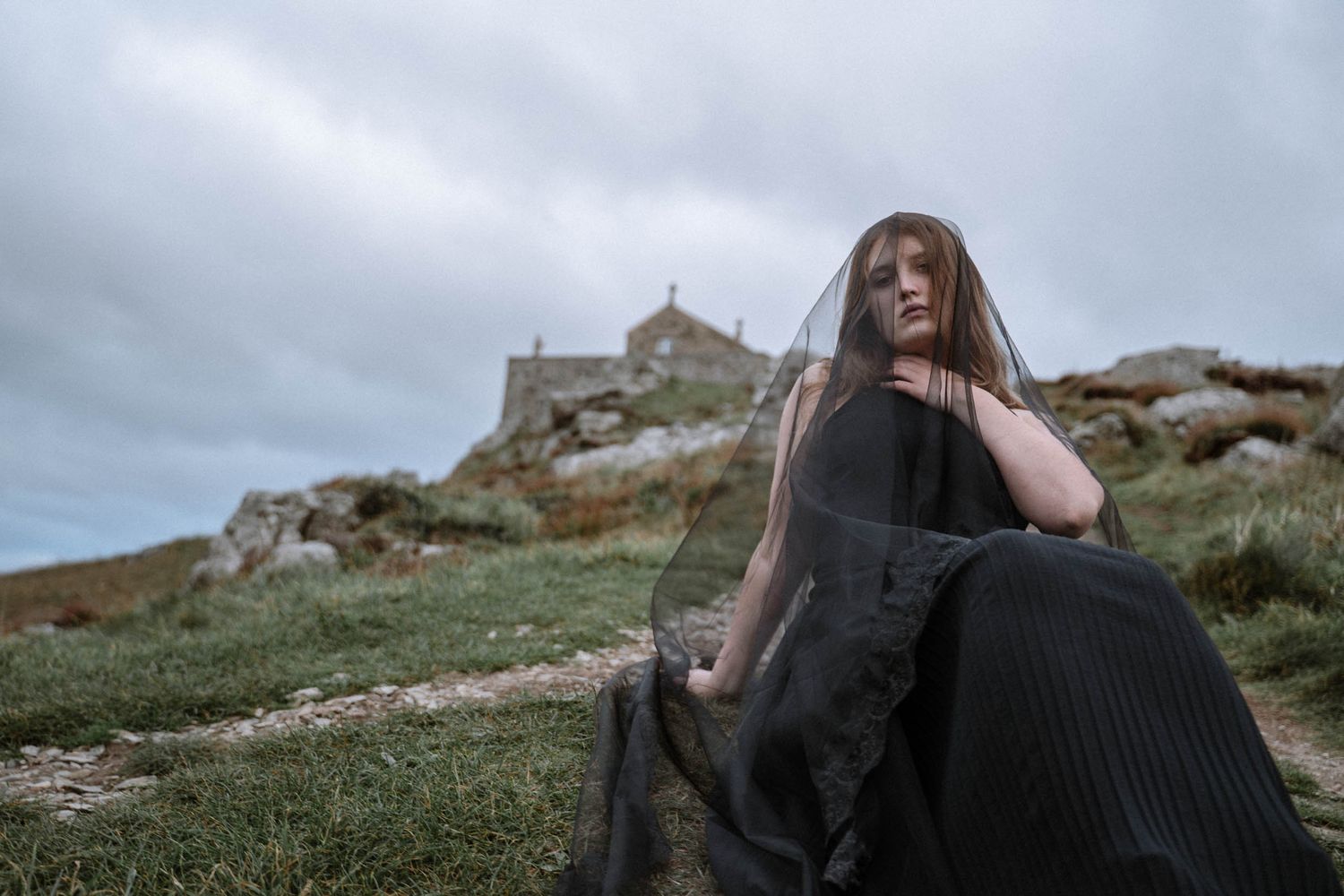
St Ives is probably the most well-known elopement location in Cornwall, and with good reason. The headland gives you cliffs, tall grass, exposed rock, and views that shift depending on where you stand. St Nicholas Chapel sits slightly apart from everything. It's a bit stark against the landscape. It adds structure without making things formal. Below the headland, Porthmeor Beach gives you sand and rocks and water, but it’s public and can be busy in summer. The edges and the rock formations are usually more useful than the open sand. Off-season, the whole area changes tone. The wind picks up, the light drops, and it stops feeling like a postcard. It gets rougher, moodier, and that works in your favour if that’s the aesthetic you’re after. Often here it's winder, the beach coastline has more waves but you're also getting far less foot traffic.
Porthcurno and the Minack Theatre Area
This is further west and less visited than St Ives (especially outside of summer). The cliffs here are dramatic, they have steeper drops, the water nearby is a turquoise colour that doesn’t look like England, and there's also the Minack Theatre carved above. You can’t use the theatre itself for a ceremony, but the surrounding clifftop paths and Porthcurno Beach below are both usable and visually striking. It’s more remote, which means fewer people and more privacy, but the terrain is less forgiving. Good shoes matter here more than anything.
Kynance Cove
This is located on the Lizard Peninsula, on the south side of Cornwall. The serpentine rock formations and the colours in the cliffs are unlike anywhere else in the county. At low tide the beach opens up significantly, but at high tide it’s much smaller, so timing around the tides is non-negotiable here. It’s about a 20-minute walk down from the car park, which is fine for most people but worth factoring in if you’re wearing anything impractical. The light here in late afternoon is worth planning around. Research around tides are important - you don't need to be a geologist but just googling it closer to your date can you give an accurate picture of how to plan around the tides timing wise.
Bodmin Moor
This one isn't coastal, which makes it different from everything else on this list. Bodmin Moor is open, windswept, and has a completely different energy. Ancient stone circles, wild ponies, rolling hills with nothing man-made in sight. If you want something that feels isolated and raw without the sea, this is it. It’s also significantly quieter than the coast, which means you’re unlikely to share your ceremony with dog walkers and tourists. The trade-off is that it’s exposed and the weather can be harsh, especially outside of summer. But if you're looking for something more medieval and ruin-like this is your go to.
Tintagel
The castle ruins and the coastline around Tintagel have a mythic quality that’s hard to replicate. There’s a bridge connecting the mainland to the headland that’s visually dramatic, and the ruins themselves create natural frames and textures. English Heritage manages the site so you can’t just set up a ceremony there, but the surrounding coastal paths and clifftops are open. This one attracts tourists, so timing and positioning matter, often off-season is the best time here but please check with English Heritage on what grounds are allowed by them and what's not.
Quiet Coves and Hidden Spots
Cornwall is full of small coves and beaches that most visitors never find. They’re accessed by coastal paths, sometimes unmarked, and they give you complete privacy if you’re willing to put in the walk. If you’re working with a photographer or celebrant who knows the area, they can usually point you to spots that aren’t on Instagram. That’s where the real magic happens. Sometimes it really is just a cove with nobody else in it, waves, rock, and just the two of you. Asking a local is worth more than any guide.
What Does a Cornwall Elopement Day Actually Look Like?
A Cornwall elopement doesn’t follow a traditional wedding timeline. There’s no bridal party, no seating plan, no DJ. It’s your day and it moves at your pace. That said, having a rough structure helps; not a schedule, just a shape.
If you’re doing the legal ceremony and the celebrant ceremony on the same day, the morning usually starts with the registry office. These appointments typically take fifteen to twenty minutes. You sign, your witnesses sign, the registrar confirms it, and you’re legally married. Some couples dress up for this. Others keep it casual and save the outfit for the celebrant ceremony later. Either is fine.
From there, you drive to your chosen location. Cornwall isn’t huge but the roads are slow, especially in summer, so factor in travel time. St Ives to Porthcurno is about 45 minutes. Truro to Kynance Cove is about an hour. Don’t underestimate this. The single-lane roads with tractors and caravans are part of the Cornish experience but don't make it delay your big day, always consider alternative routes or something closer to the registry.
The celebrant ceremony is where the day opens up. This is the one you’ve planned for. Your vows, your setting, the rings if you’re exchanging them again, whatever elements feel right. A good celebrant will tailor the ceremony to you and not read off a generic script. It should feel like that it’s a conversation they’ve built around your story. These usually run about twenty to thirty minutes depending on how much you want to include.
After the ceremony is portrait time. This is where Cornwall earns its reputation. You’ve got the clifftop, the beach, the cove, the headland; whatever location you’ve chosen. Building in an hour to ninety minutes for portraits is ideal. Rushed photos never feel the same as ones where you’ve had space to breathe and move. If you can time it so you’re shooting in the last couple of hours before sunset, the light will do most of the work for you.
From there, it’s whatever you want. A picnic on the cliffs. A meal at a pub or restaurant. Fish and chips on the harbour wall. Some couples book a cottage or Airbnb and spend the rest of the evening there. Others head to a nice restaurant and make an evening of it. There’s no reception, no speeches, no timeline dictated by anyone else. That’s the whole point of eloping.

How Much Does It Cost to Elope in Cornwall?
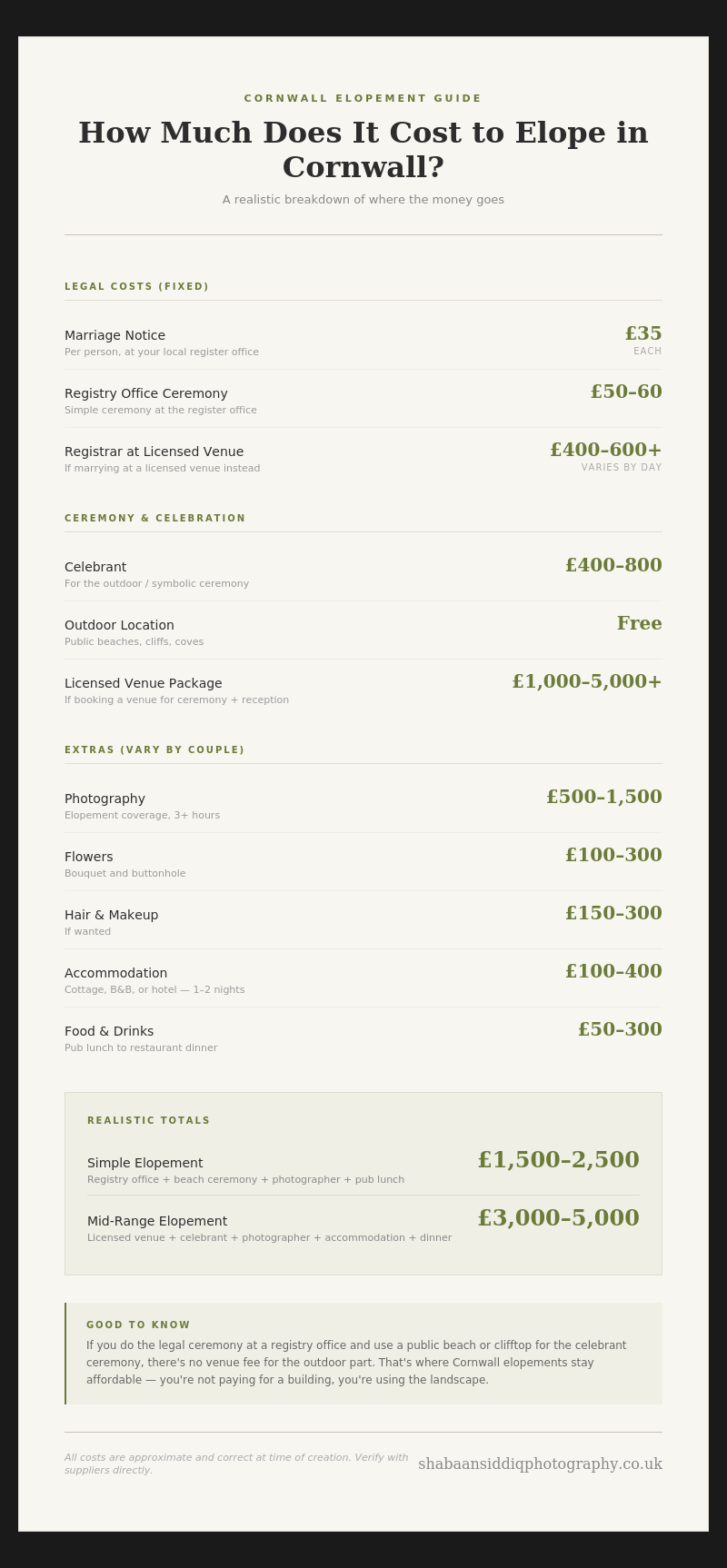
Cornwall elopements can cost anywhere from a few hundred pounds to several thousand, depending on how you structure the day. The legal bit is the cheapest part. The extras are where it adds up.
The legal ceremony costs are fixed. Giving notice is around £35 per person at your local register office. The registrar fee for the ceremony itself depends on the day and the venue. A simple registry office ceremony is around £50-£60,* but having a registrar attend a licensed venue can cost £400-£600*+ depending on the venue and day of the week. These fees are set by Cornwall Council and change periodically, so check directly before budgeting.
A celebrant for the outdoor ceremony typically charges between £400* and £800,* sometimes more for bespoke ceremonies or travel to remote locations. This is separate from the legal registrar fee since the celebrant ceremony isn’t the legal one. You can always save here by having a friend be your celebrant as it means that your further creating the story of your day.
Venue costs vary enormously. If you’re doing the legal bit at a registry office and the ceremony on a public beach or clifftop, there’s no venue fee for the outdoor part. If you’re booking a licensed venue that doubles as your ceremony and celebration space, packages typically start around £1,000* and go up to £5,000*+ for country houses and boutique hotels with accommodation included.
Photography, flowers, hair and makeup, accommodation, food — all separate unless you’ve booked an all-inclusive package. A rough estimate for a Cornwall elopement with just the two of you, a celebrant, a photographer, and a nice meal afterwards: you’re looking at somewhere between £1,500* and £3,500*. That’s a wide range because Cornwall offers everything from a £50 registry office ceremony and fish and chips on the beach to a full day at a luxury estate. What you spend depends entirely on what matters to you.
*All fees mentioned are approximate and correct at time of writing. Check directly with Cornwall Council and individual suppliers for current rates.
Best Time of Year to Elope in Cornwall
Seasons in Cornwall feel like they're different places. It can change the experience dramatically, and your choice of timing shapes everything from the light to the crowds to how the photos feel.
Summer is the obvious choice. Longer days, warmer weather, the sea is actually swimmable if you’re brave. Golden hour stretches out and gives you plenty of time for portraits. The downside is everyone else is there too. Beaches are packed, coastal paths are busy, car parks fill up by mid-morning. If you’re eloping in July or August, you’re sharing Cornwall with half of England. Weekday dates and early morning or evening ceremonies help, but the crowds don’t disappear entirely.
Autumn is where Cornwall starts to feel like it belongs on a Pinterest board. Leaves turns copper and gold, the light softens, the tourists thin out. September and October are arguably the best months for elopement photography in Cornwall as it's when the colours are rich, the light doesn’t blow out at midday, and you can actually use the beaches and clifftops without competing for space. If you want that filmic, Little Women, warm-but-moody palette, autumn delivers it without you forcing anything.
Winter is raw. Short days, unpredictable weather, the possibility of rain and wind at any moment. If you're a fan of Dark Academia, that gothic horror aesthetic, then this might be for you. The coast is much more tidal, the cliffs feel more dramatic, and candlelit interiors at cosy pubs or cottages afterwards create a contrast that photographs beautifully. Midweek winter elopements in Cornwall are also the cheapest option and you’ll likely have any beach or clifftop entirely to yourselves as no one else wants to be standing outside in the cold.
Spring is the wildcard. March is still chaotic, some days rain others warm. April and May can swing either way. But when spring works in Cornwall, it really works. Wildflowers on the clifftops, clear light, mild temperatures, and the landscape coming alive. The bluebells in the woods near the coast are worth timing around if you can. Just accept that you’re rolling the dice on weather more than any other season.
Regardless of season, check the tide times for any coastal location. Some beaches and coves change dramatically between high and low tide, and what looks like a wide sandy beach at 10am can be underwater by 2pm.
Practical Planning Tips for a Cornwall Elopement
Cornwall’s terrain doesn’t care about your outfit. Most of the best elopement locations involve uneven ground, steep paths, grass, mud, and wind. Flowing dresses look incredible in photos when the wind catches them, but they also drag through wet grass and pick up everything. Bring a change of shoes for the walk to the location and swap into your ceremony shoes when you arrive. This sounds obvious until you’re halfway down a coastal path in heels.
A car is essential unless you’re staying within walking distance of your location. Cornwall’s public transport is limited and the roads between locations are slow, narrow, and often single-track. Give yourself more travel time than you think you need, especially in summer when the roads are full of holidaymakers who’ve never driven on a single-lane road before and think the speed limit is a suggestion.
Weather is the variable that doesn’t negotiate. Coastal conditions change fast. You can start the day in sunshine and be in sideways rain two hours later. Having a backup plan, even just knowing where the nearest sheltered spot is, means you’re not panicking if the weather turns. Some couples bring a small pop-up shelter or gazebo. Others just embrace it. Rain in photos isn’t a disaster if you commit to it rather than looking miserable. But also alternatively, have your elopement indoors, maybe in some AirBnB, or consider booking one as a back up.
Keep your setup minimal. The more you carry to a beach or cliff top, the more you have to manage in the wind. A simple picnic, a bottle of something nice, some flowers. That’s all you need. Anything more elaborate starts to fight the location rather than work with it.
If you want privacy at a popular location, go early or go late. Most tourists arrive between 10am and 4pm. Before 9am or after 5pm, even the busiest beaches tend to empty out. Early morning light is beautiful, and sunset is obviously the classic choice for a reason.
What About Photography In Cornwall?
Cornwall is one of those locations where photography either makes or breaks how you remember the day. The landscapes are doing a lot of the work, but the difference between a photographer who understands how to use the location and one who just points a camera at the view is significant.
The two-ceremony structure actually works in your favour for photography. The legal ceremony is short and intimate, allowing you a few documentary shots of the signing and the moment itself. Then the celebrant ceremony and portraits are where the real creative work happens. You’re on a clifftop or a beach with time to move, explore, and shoot properly. Rushed portraits in ten minutes between a ceremony and a dinner don’t feel the same as an hour of walking through a landscape together.
If you’re booking a photographer for a Cornwall elopement, look at whether they’ve actually been to the locations you’re considering. Cornwall’s terrain has specific challenges, such as wind, changing light, uneven ground, tides- and a photographer who’s planned around those conditions will give you a different result from one who’s arriving cold.
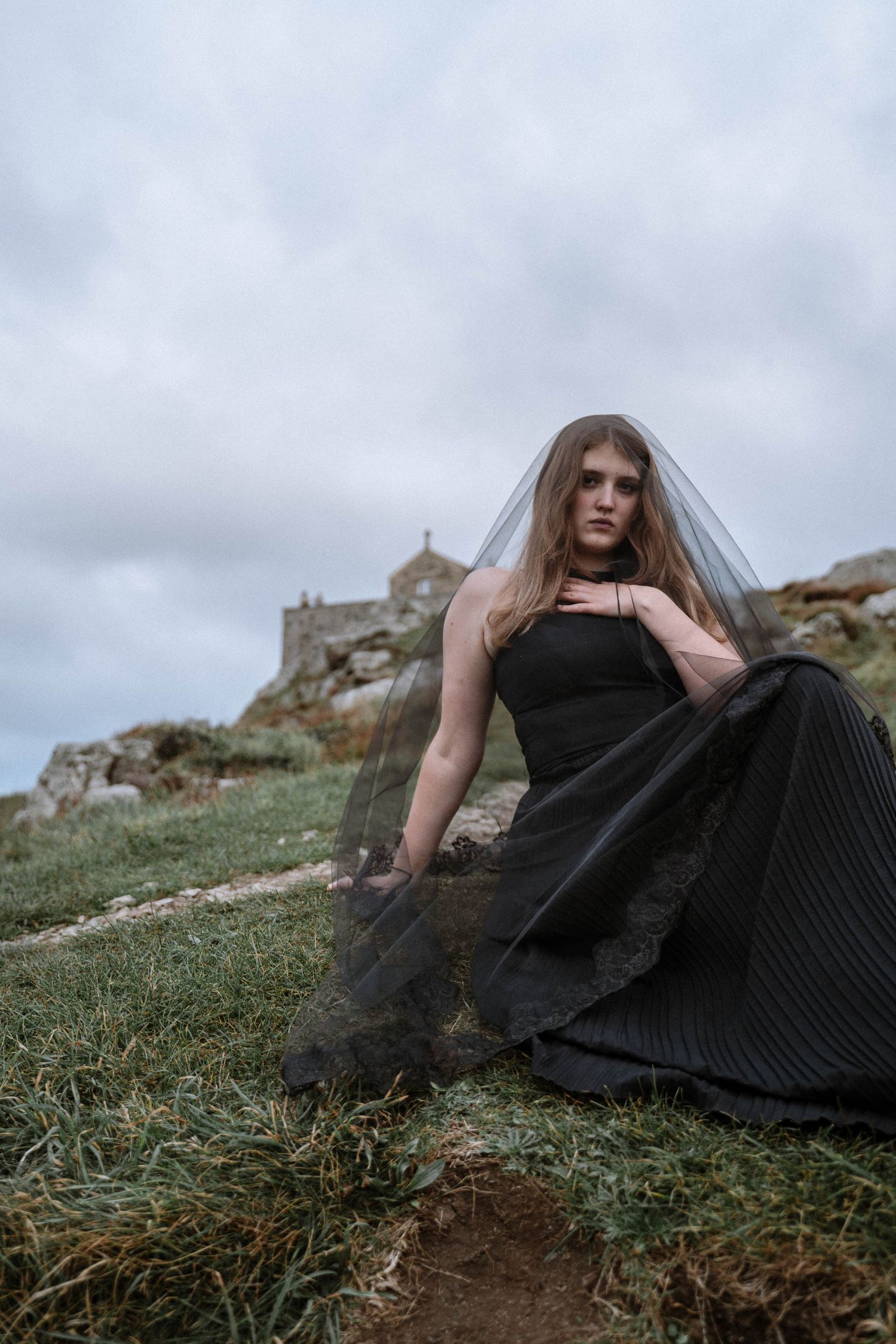
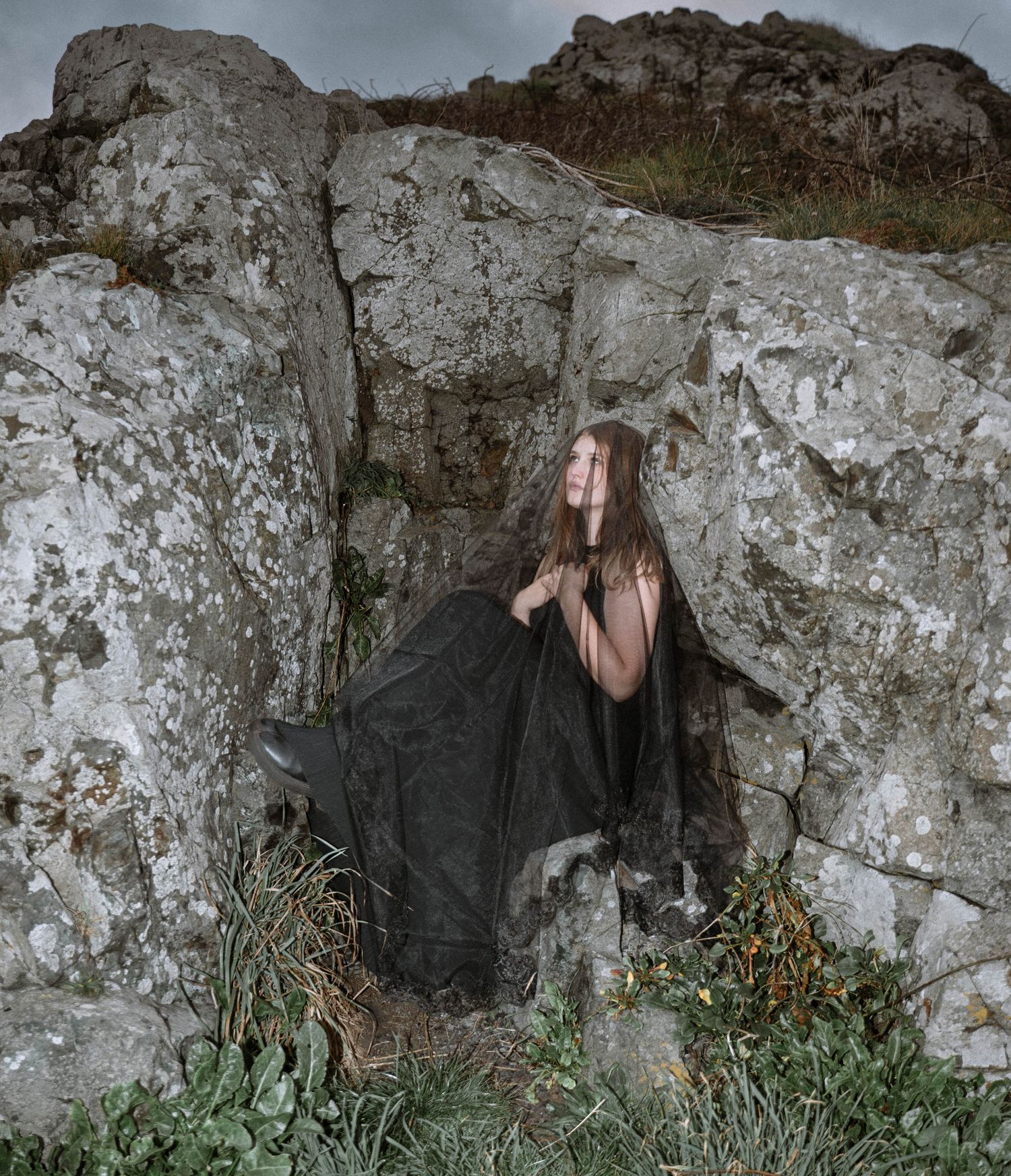
Planning a Cornwall Elopement?
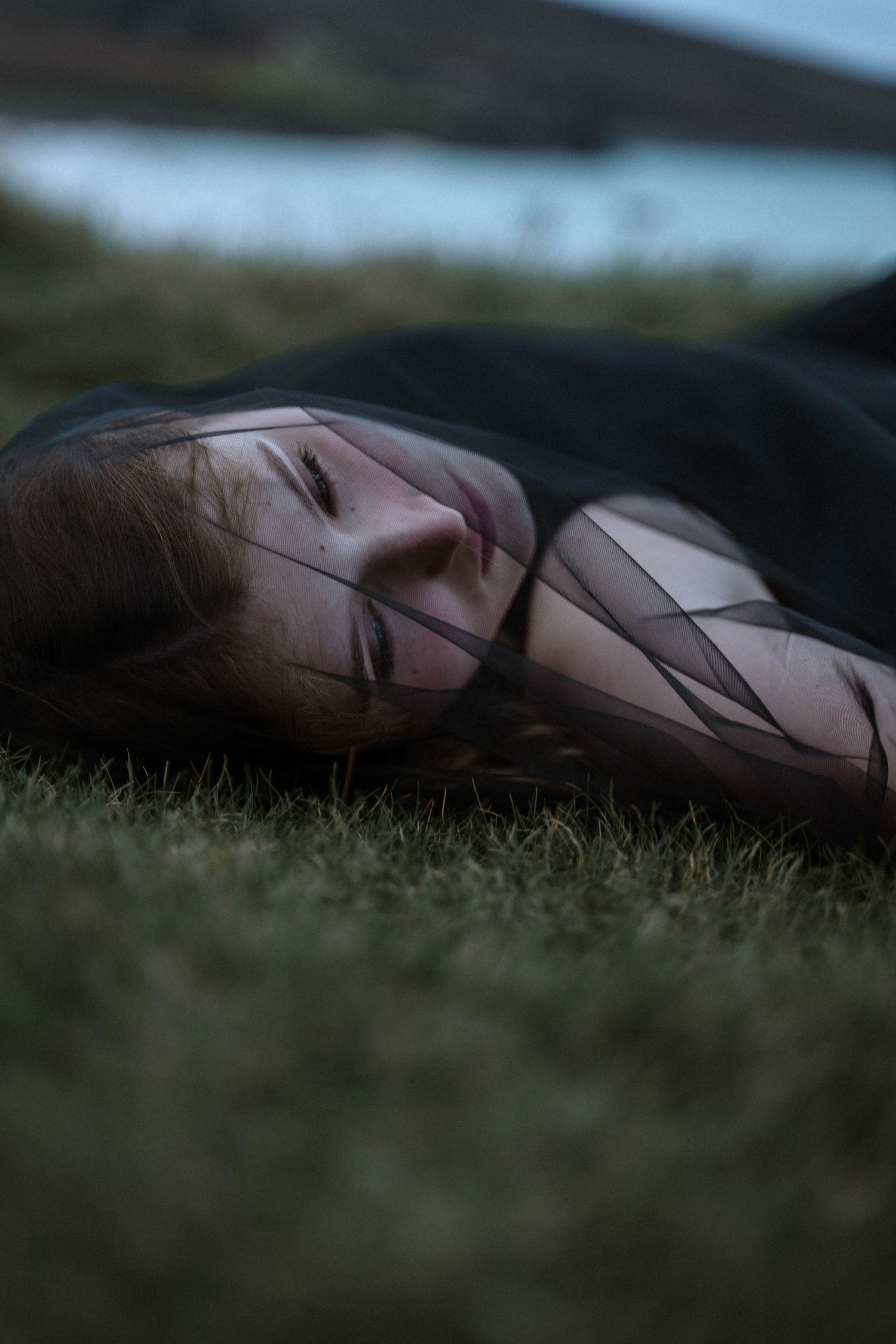
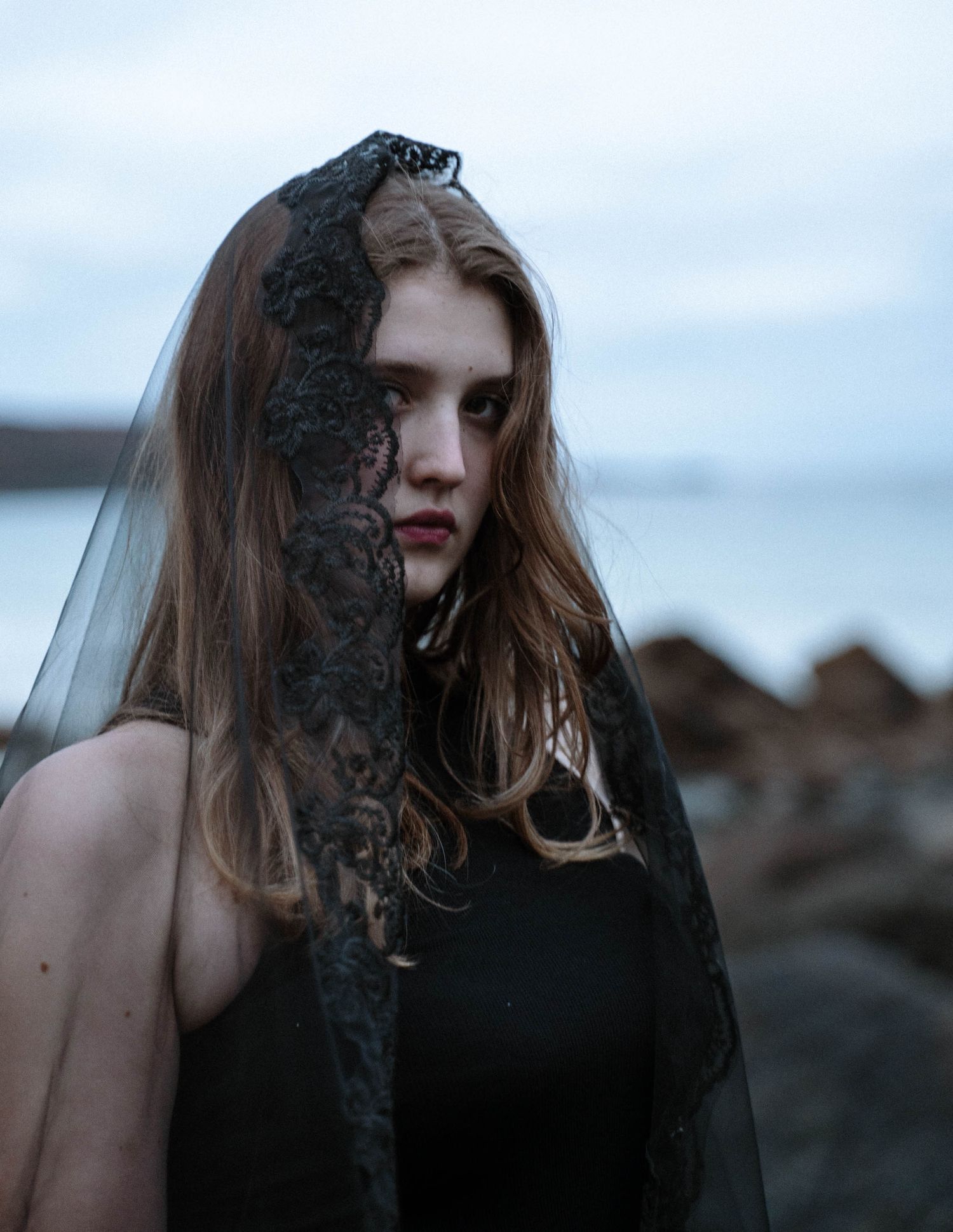
If you’re considering Cornwall for your elopement and want it documented properly — the cliffs, the ceremony, the quiet moments, the way the light actually looked that day I’d be happy to have a conversation about it. I’ve shot on the Cornwall coast and I know what the terrain demands. No pressure, no overcomplication. Just figuring out if the approach fits what you’re trying to do.
Planning your Cornwall elopement? Here's what's next.
Thinking about Scotland instead? Our complete guide to eloping in Gretna Green covers the legal process, venues, costs, and what the day actually looks like. Read Here
Prefer mountains to coastline? Our Lake District elopement guide covers the best locations, costs, and timing for a fell or lakeside ceremony. Read Here
Wondering what a photographer actually costs? Our full breakdown of elopement photography pricing across the UK covers what affects the price and what to expect at each budget. Read Here