If you’ve booked a registry office wedding and you’re wondering what actually happens when you get there, you’re not alone. Most of the information online is either a council website listing fees and opening hours, or a bridal blog telling you what dress to wear. Neither tells you what it actually feels like to walk through the door.
I’ve photographed registry office weddings across different offices over the past couple of years. I’ve seen the fifteen-minute ceremony that made everyone cry and the one that felt like signing a form at the bank. The difference between the two is almost never the building. It’s the couple, the preparation, and knowing what to expect so you’re not thrown by the process.
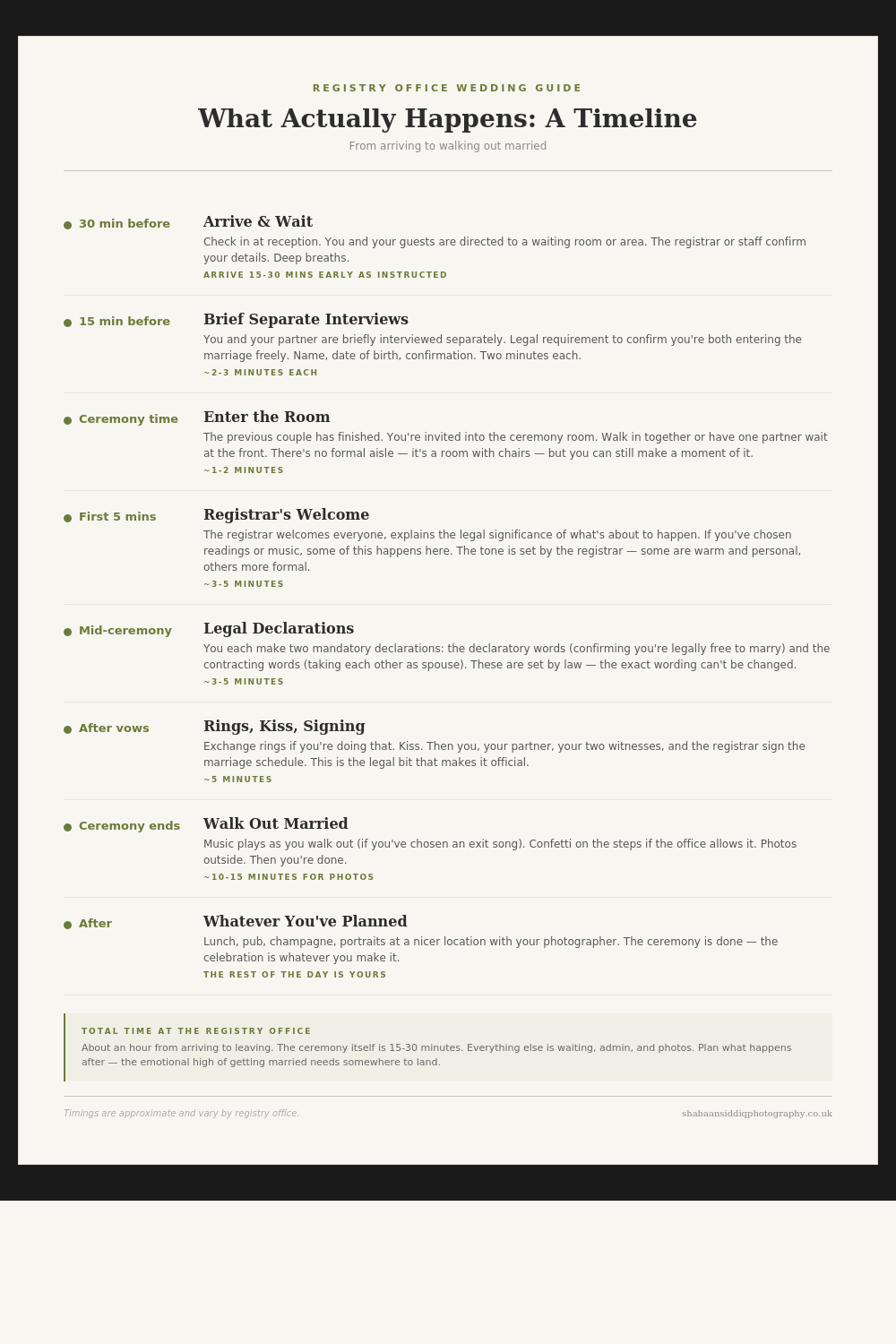
This guide covers what actually happens, from arriving to leaving. How long it takes, what you can and can’t personalise, whether your photographer can shoot during the ceremony, and what to do when it’s over and you’re standing outside thinking “…now what?”
How Long Does a Registry Office Wedding Actually Take?
The ceremony itself is typically 15 to 30 minutes. A statutory ceremony (the simplest, cheapest option with just the legal declarations), can be done in about 10 to 15 minutes. A more personalised ceremony with readings and music runs closer to 20 to 30 minutes.
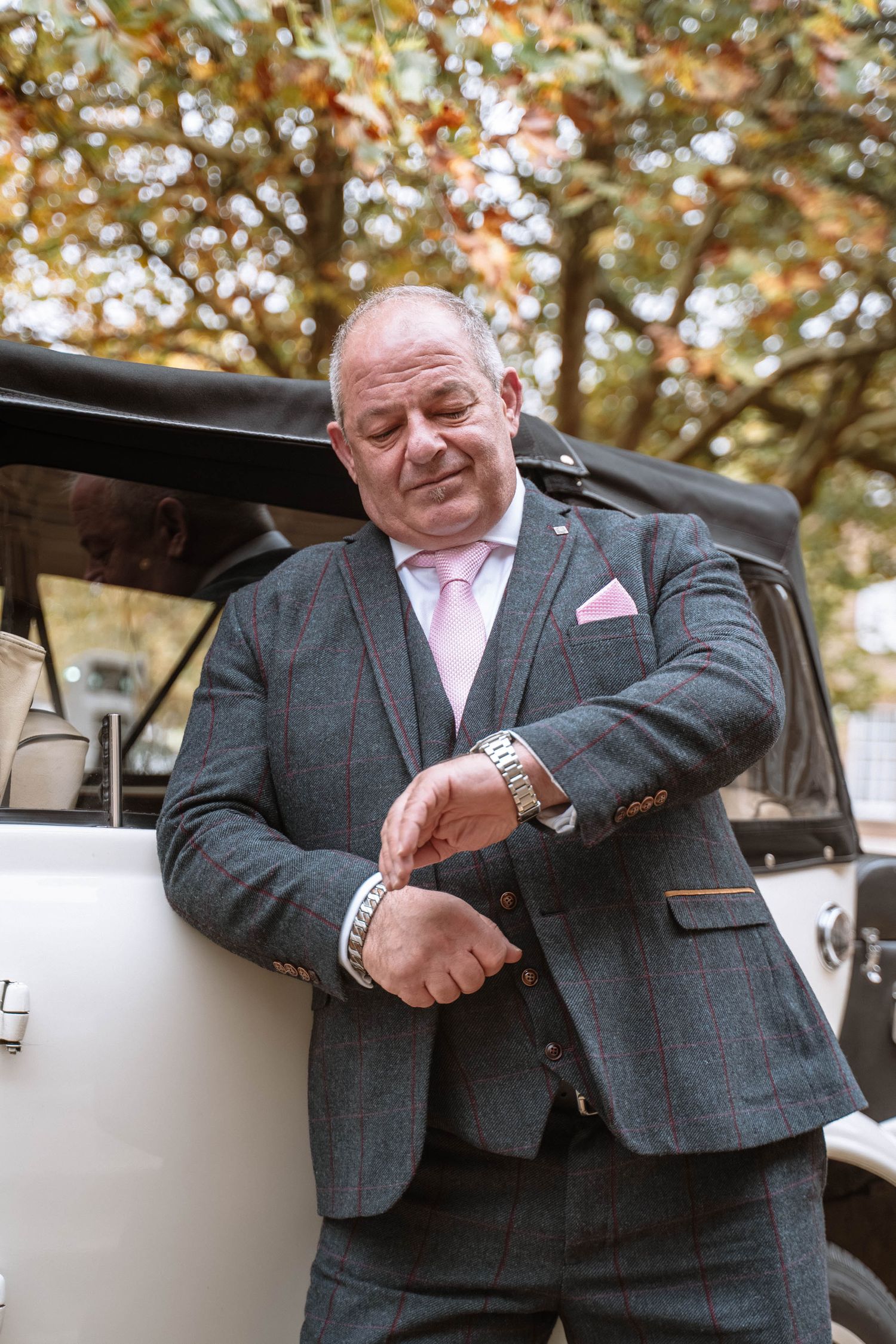
But the total time you’ll spend at the registry office is longer than the ceremony. Most offices ask you to arrive 15 to 30 minutes early. You’ll wait in a dedicated waiting room or area while the registrar finishes with the couple before you. Yes, there is often a couple before you. Registry offices run ceremonies back to back, especially on weekends. You may pass the previous couple coming out as you go in. This is normal and nobody finds it weird except the couples who weren’t expecting it. You'll need to arrive early in order to do personal safety checks, confirm you're okay marrying the person, and that you are who you say you are. This is all standard, don't be alarmed by it.
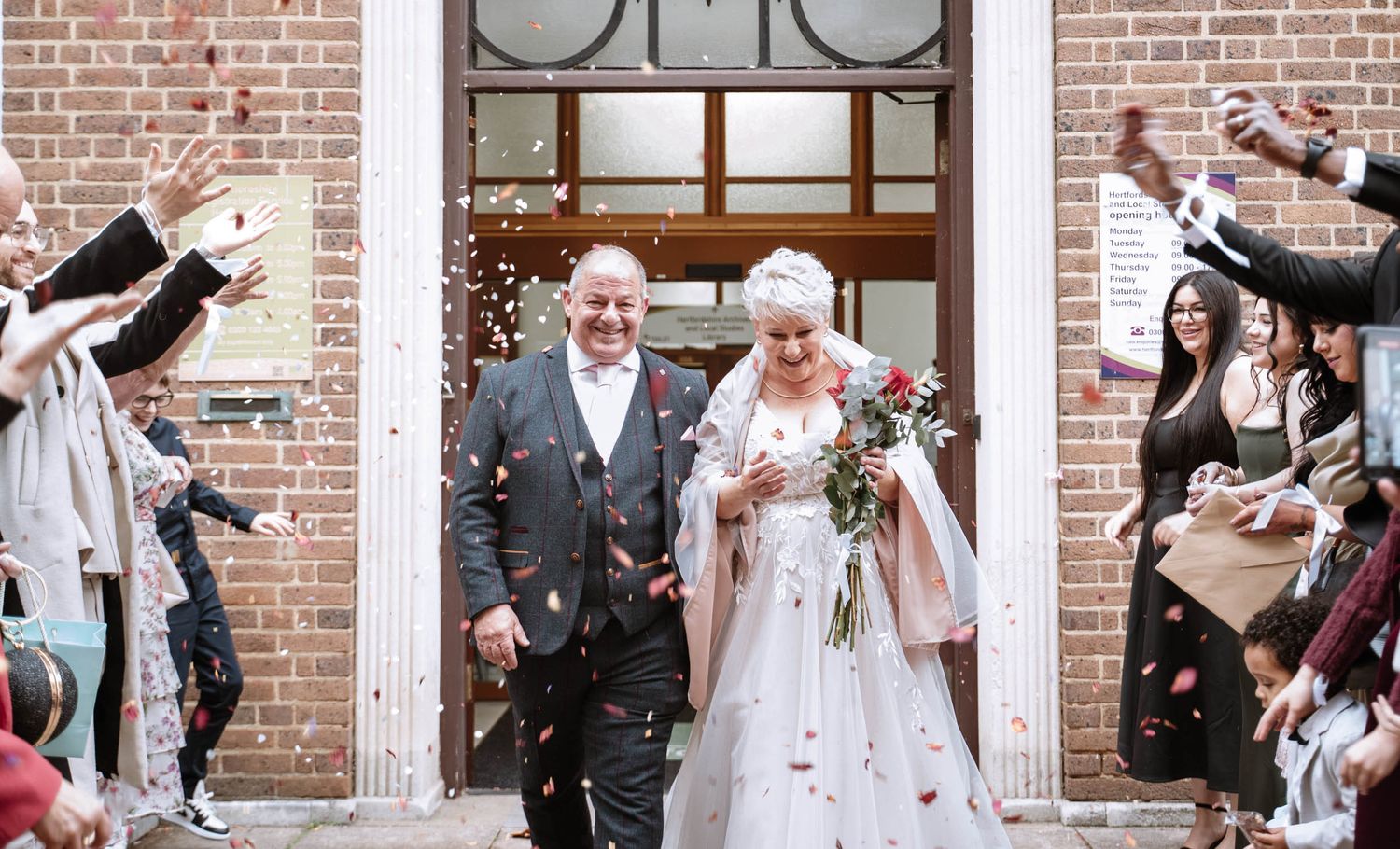
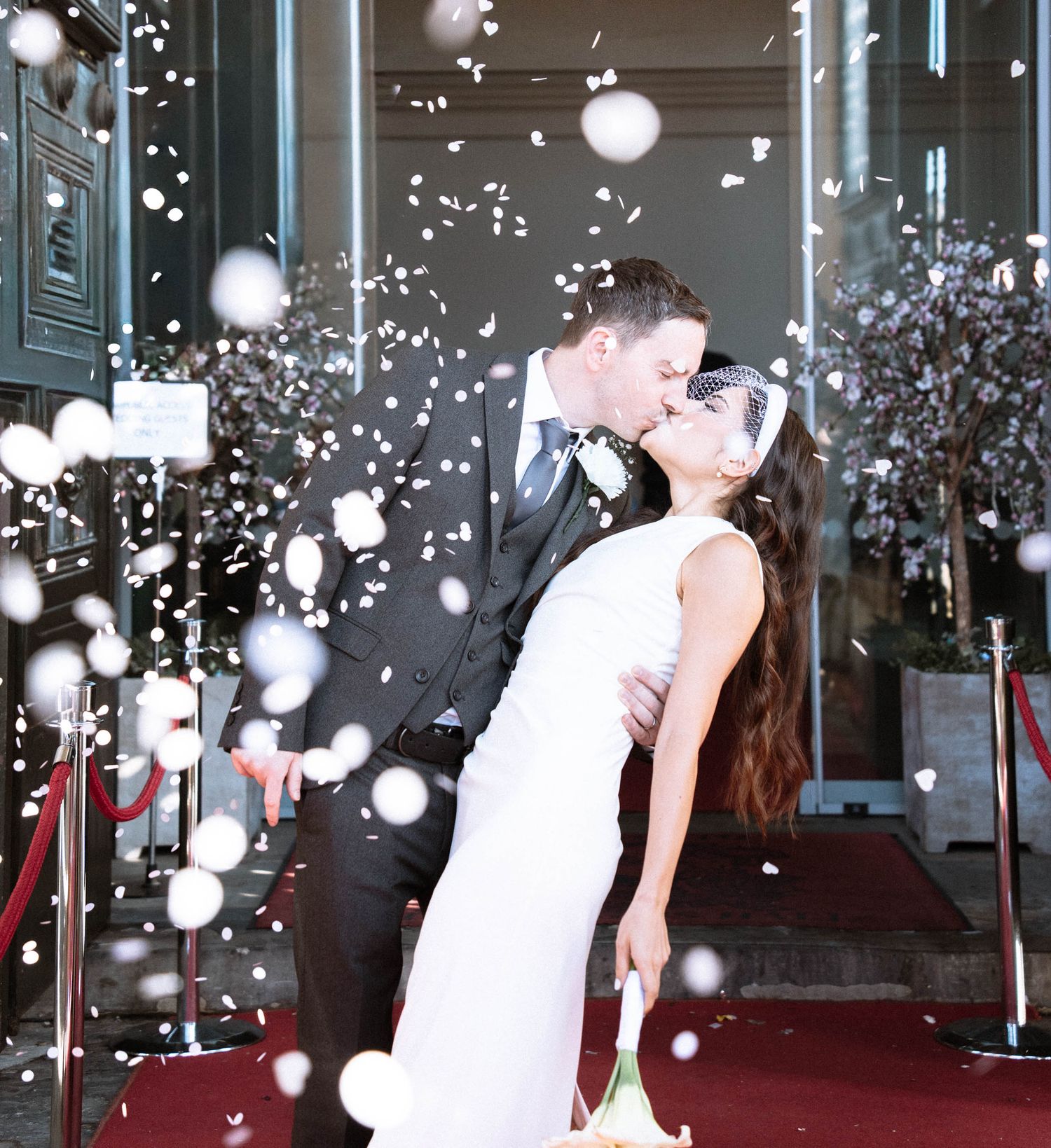
After the ceremony, you’re usually given about 10 to 15 minutes for photos outside the building before the next slot starts. Then you leave. The whole thing, from arriving to walking out, is typically about an hour. Confetti is allowed, but it has to often be biodegradable and far enough from the entrance that it doesn't make a mess for the next group.
Can You Have Music and Readings?
Yes, but with restrictions. You can include readings, poems, and music in a registry office ceremony as long as nothing is religious. No hymns, no prayers, no scripture readings, no blessings. This is a legal requirement for civil ceremonies and the registrar will check your choices in advance.
Most registry offices allow you to play music as you enter and exit the ceremony room, and sometimes during the signing. Some have a sound system you can connect to, others ask you to bring a portable speaker. Check with your specific office what’s available.
Readings can be anything non-religious — poetry, extracts from books, something you’ve written yourselves. You can ask a guest to read, or the registrar will read it for you. Personalised vows are usually welcome in addition to the mandatory legal declarations, but again, check with your registrar what’s permitted.
The amount of personalisation varies between registry offices. Some are very flexible and will work with you to create something meaningful. Others stick closer to a standard format with minimal additions. Ask during the booking process so you know what you’re working with.
Can Your Photographer Take Photos During the Ceremony?
In most registry offices, yes. Photography is generally allowed throughout the ceremony, including during the declarations and signing. However, some offices have restrictions such as no flash, no moving around during the legal declarations, staying around in a designated spot. A few offices are stricter than others.
The key is to ask the registrar before the ceremony starts. I always introduce myself to the registrar when I arrive, confirm where I can stand, and check if there are any specific moments where I should hold back. Every registrar I’ve worked with has been accommodating as long as you’re respectful and not disrupting the ceremony.
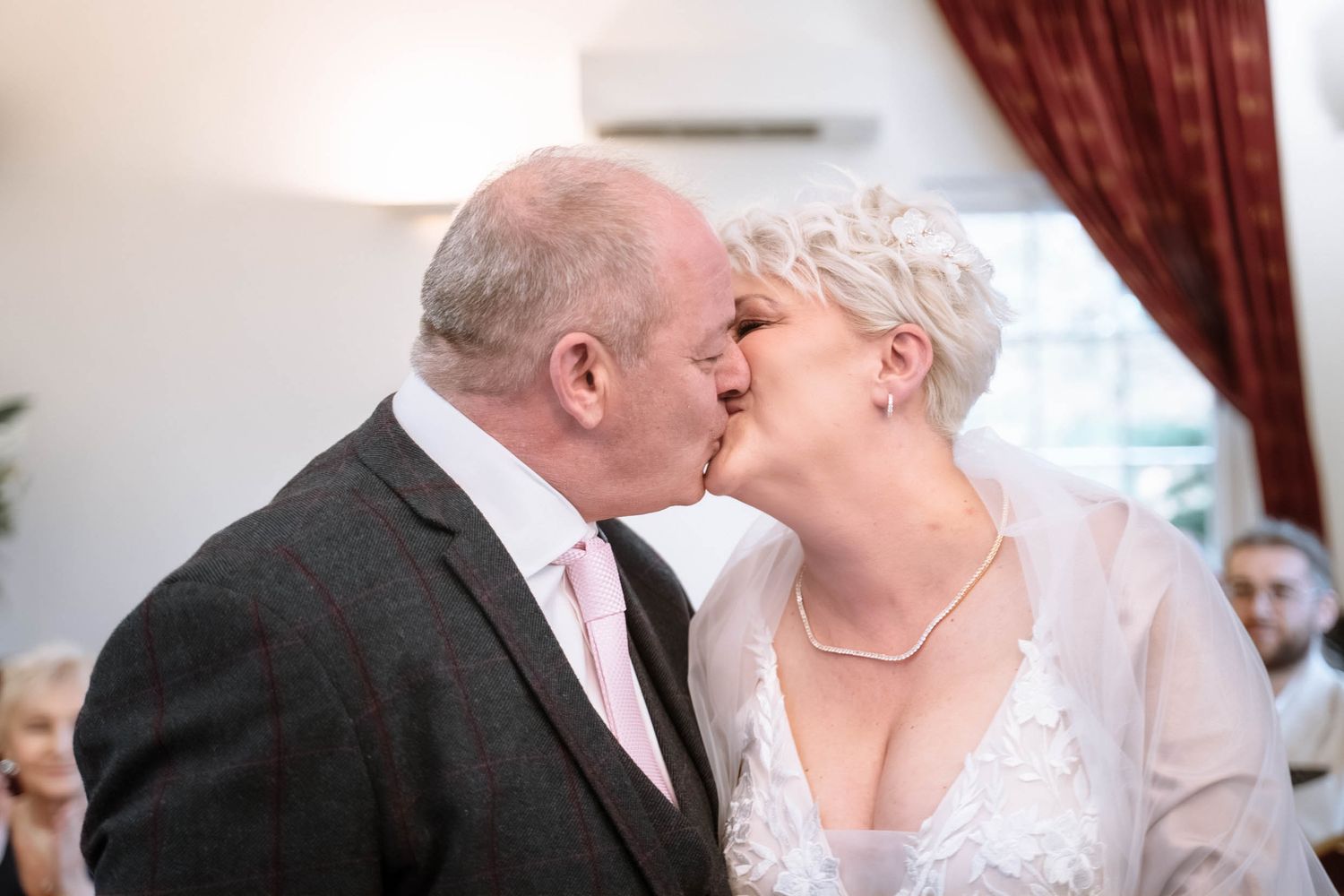
What I’d say from experience: the ceremony is short. If your photographer isn’t ready and in position when it starts, they’ll miss the key moments. There’s no second take on the vows, the ring exchange, or the first kiss. Make sure your photographer arrives before you do, not five minutes before the ceremony. This lets them understand a feel of the area.
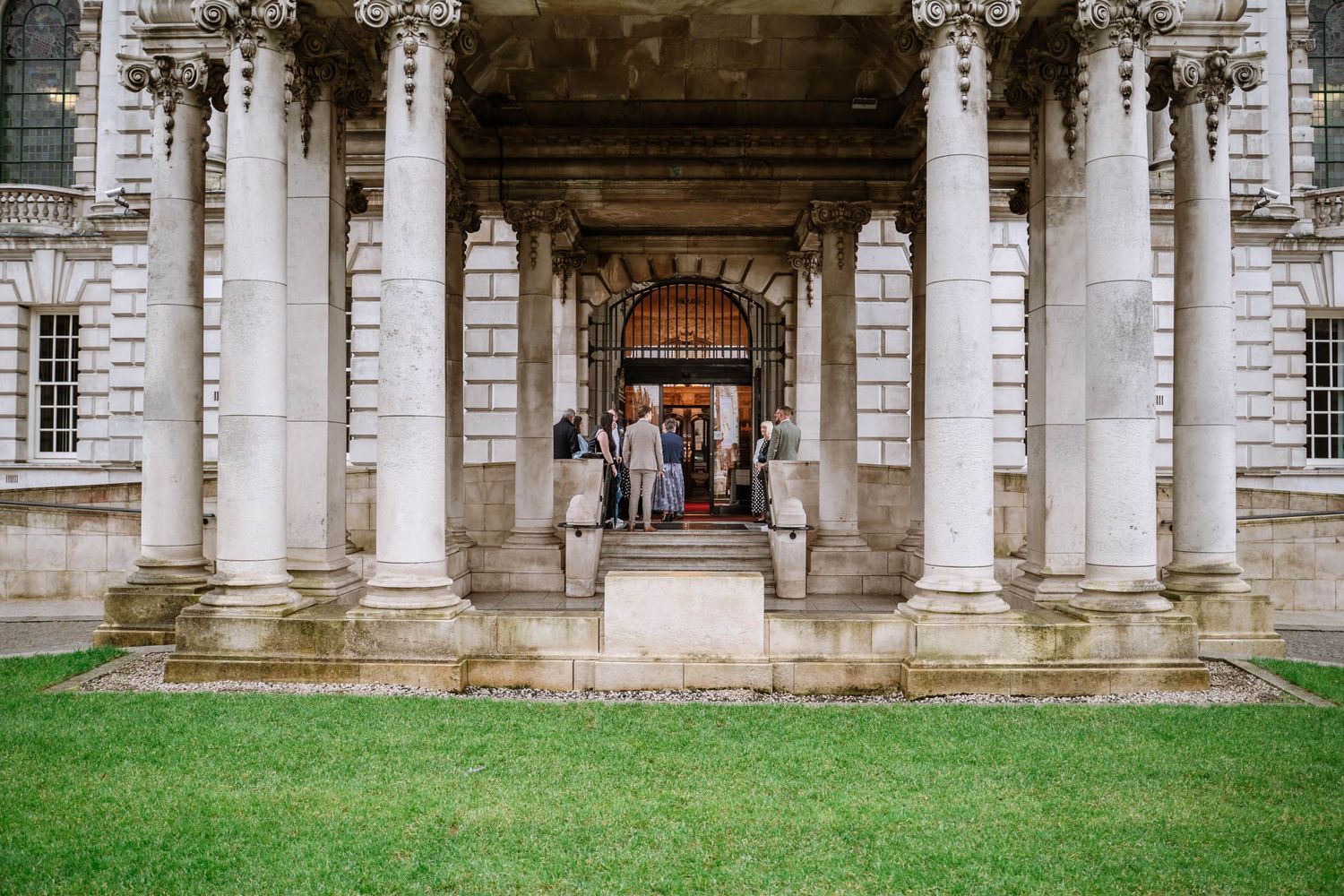
After the ceremony, most offices give you 10 to 15 minutes outside for photos. If your registry office has good architecture, steps, or a nice entrance, use it. If it doesn’t, don’t force it as some of the best registry office wedding photos happen at the location you go to afterwards, not outside the building itself.
How Many Guests Can You Bring?
This depends entirely on the registry office and the room you’ve booked. Smaller ceremony rooms typically hold 6 to 16 guests. Larger rooms can accommodate 30 to 50+. A statutory ceremony (the simplest option) legally requires just you, your partner, and two witnesses which is four people total.
Check the capacity of your specific room when you book. If you’re planning a very small wedding (which is typically just the parents and a couple of friends) then the the smaller room is usually cheaper and feels more intimate. A large room with eight people in it can feel sparse. Match the room to the guest count.
Children count towards the capacity. Babies generally don’t, but toddlers and older children do. Your photographer counts towards the capacity in some offices and not in others. Confirm this when you book.
Is It Going to Feel Like a Real Wedding?
Honestly? It depends on you.
I’ve photographed registry office ceremonies where the couple walked in expecting admin and walked out in tears because the words hit them harder than they expected. I’ve also seen ceremonies where it genuinely felt like signing a form. The building doesn’t determine this. The couple does.
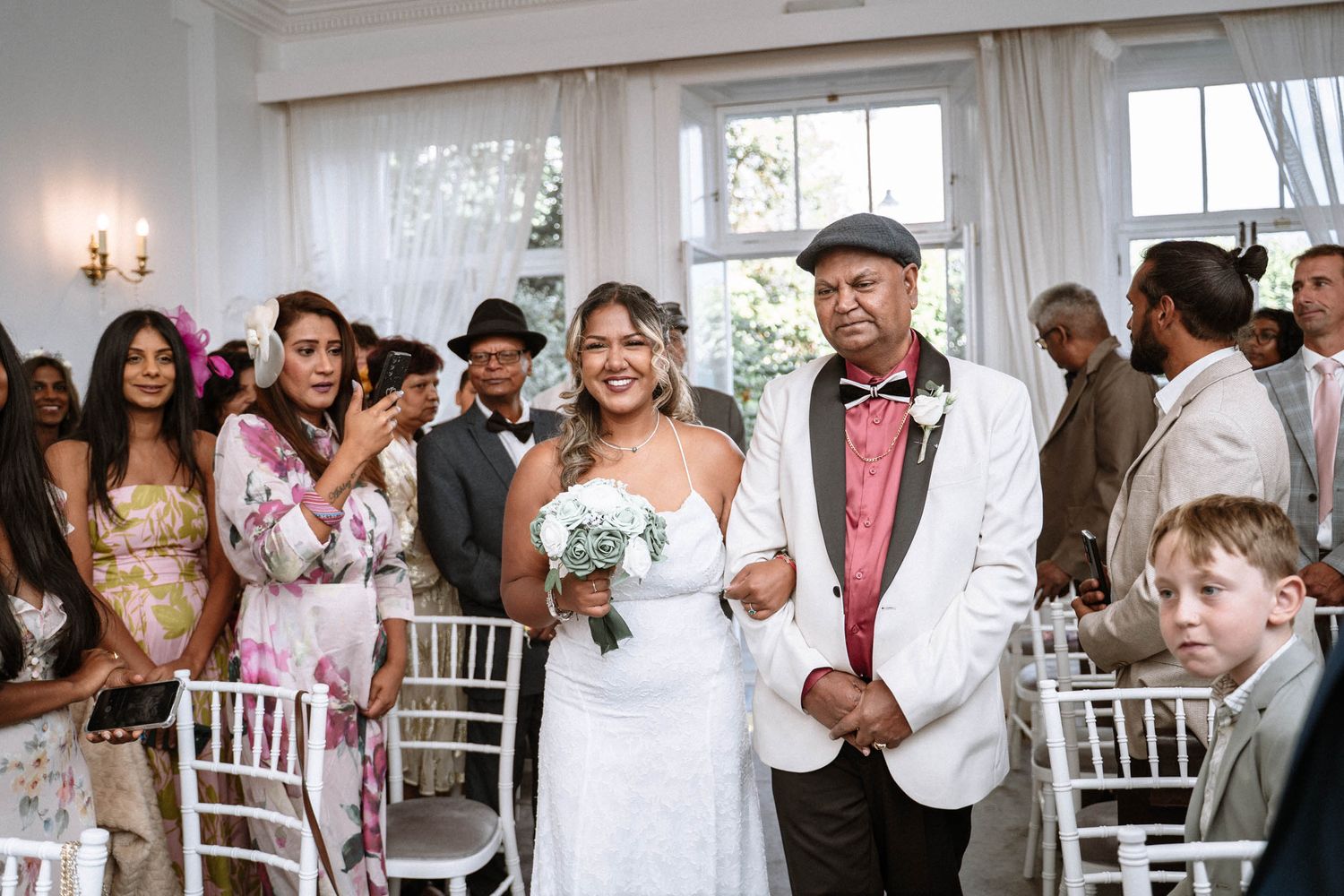
If you treat it as a formality then something to get through before the real celebration then it will feel like a formality. If you prepare for it, personalise what you can, dress the way you want to dress, and actually listen to the words being said, it can be genuinely moving. Fifteen minutes is short, but fifteen minutes of someone saying “do you take this person” while your family watches is not nothing. Intimacy is what matters here, as it can even make bureaucracy feel something.
The registrar makes a difference too. Some are warm, personal, and make the room feel intimate. Others are professional but procedural. You usually don’t get to choose your registrar, so this is a variable you can’t fully control. What you can control is everything around it, from how you arrive, what you wear, who’s in the room, and what you do after. Most go to a pub, a restaurant, have a private dining room, all of it.
What Do You Do After?
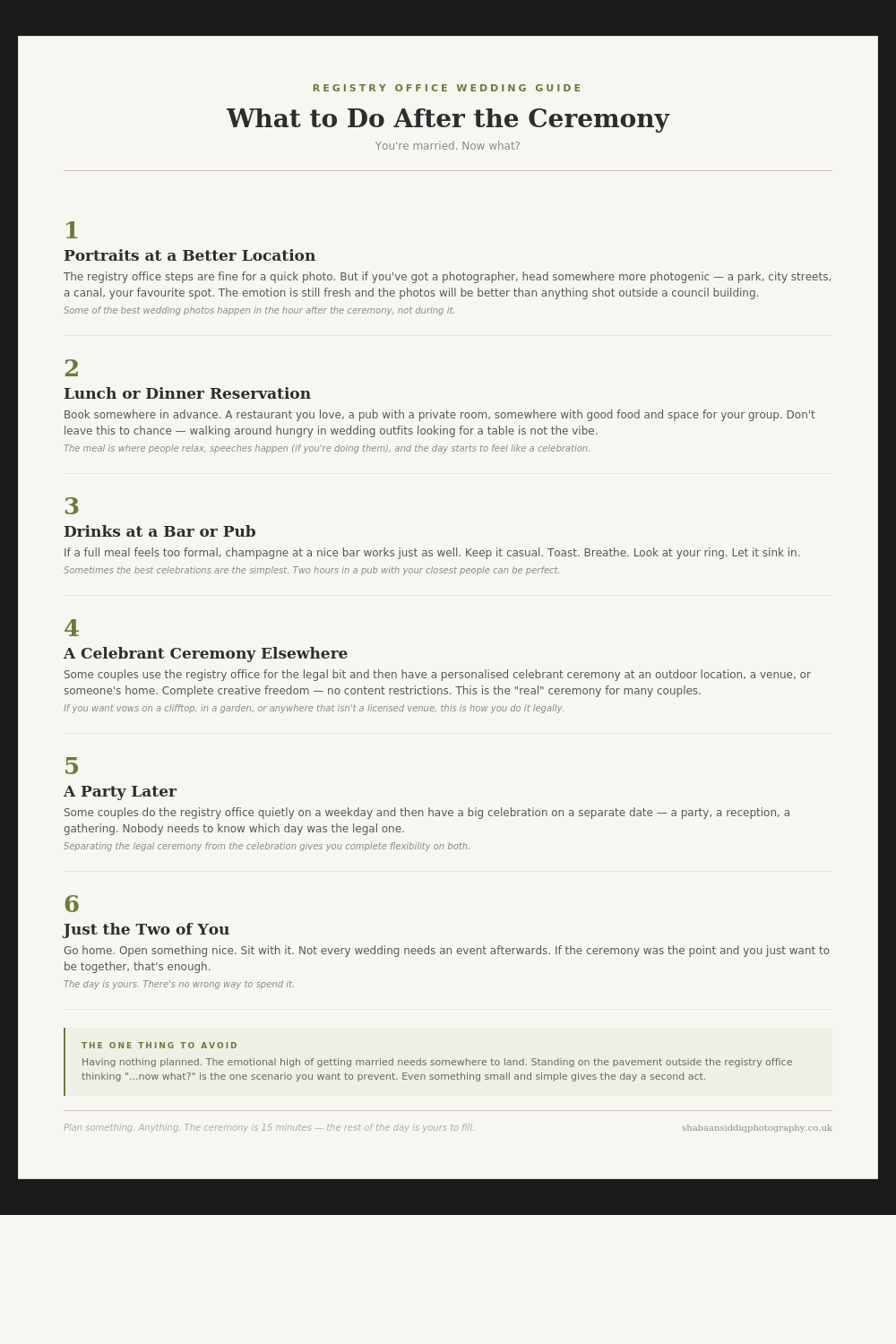
So. You leave. That’s the slightly anticlimactic reality of a registry office wedding. Once the ceremony finishes, you take photos outside, and then you’re standing on the pavement legally married wondering what comes next. It's always confusing, and a bit underwhelming.
The couples who have the best experience are the ones who’ve planned what happens after. Nothing too elaborate but having just something. It could be a lunch reservation. A pub with friends. A walk to a location that means something to you for proper portraits with your photographer. A picnic. Champagne at home. Literally anything that gives the day a second act.
Some couples treat the registry office as the legal formality and have a separate celebration, often a party at a venue, a blessing at a church, a celebrant ceremony outdoors. Others make the registry office the main event and follow it with a meal and drinks. Either approach works, but having nothing planned after the ceremony is the one thing I’d advise against. The emotional high of getting married needs somewhere to land.
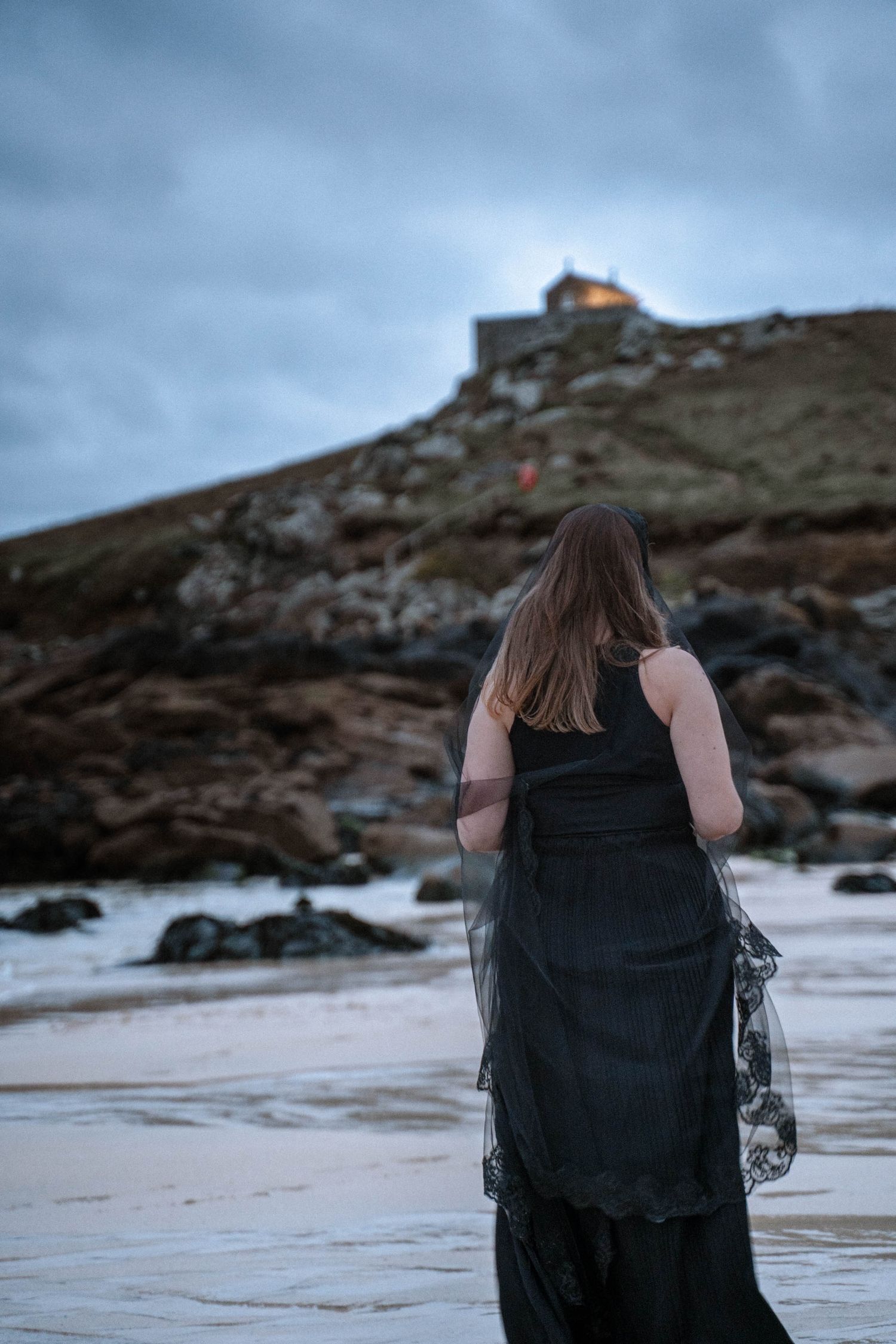
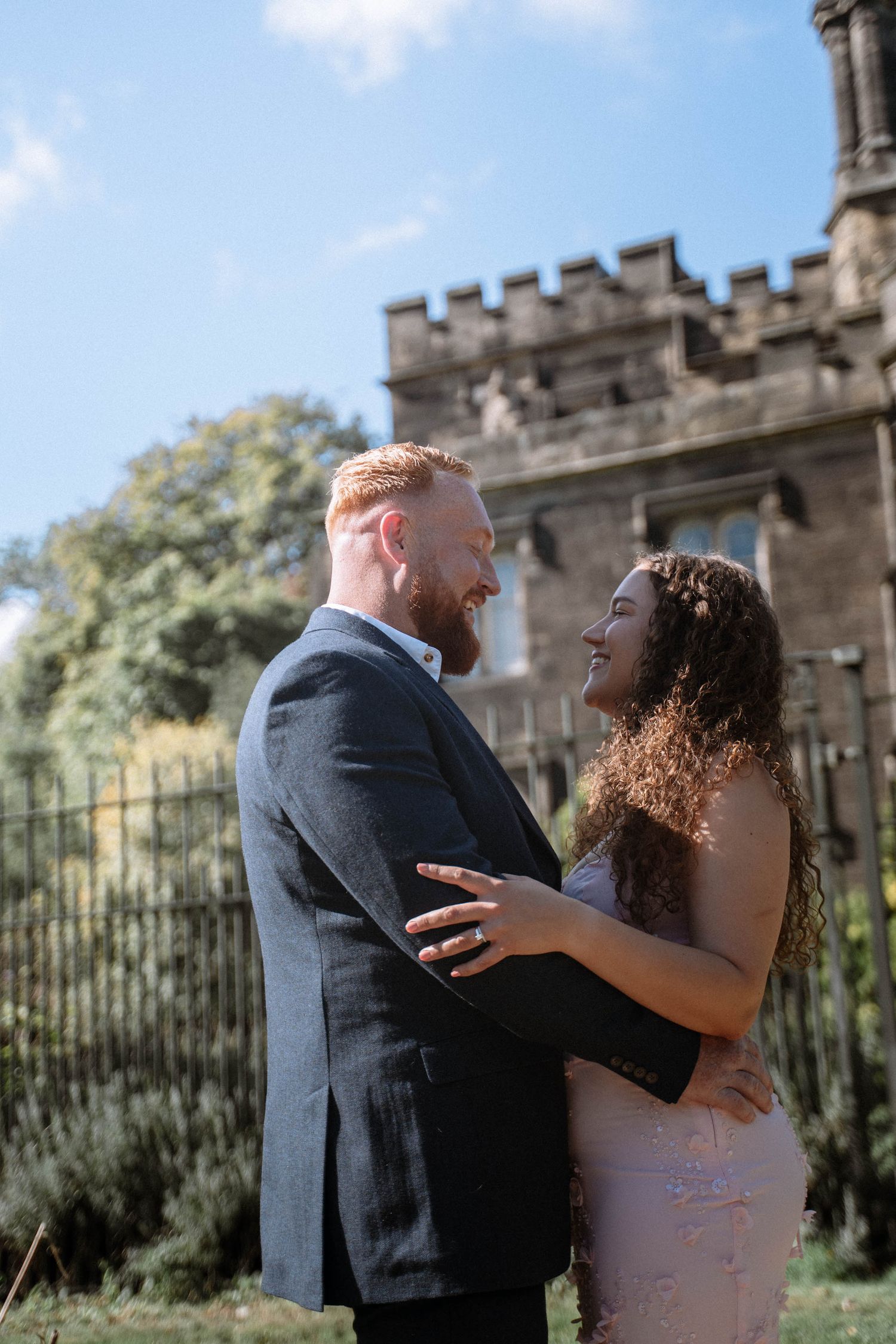
If you’ve got a photographer with you, using the time after the ceremony for portraits somewhere more photogenic than the registry office steps is a smart move. Parks, city streets, a canal, a favourite café, wherever feels like you. The ceremony is documented, now the photographer can create something more creative with you while the emotion is still fresh.
What Does It Cost?
Registry office wedding costs vary by council, day of the week, and the room you book. As a rough guide for England in 2026: a statutory ceremony (simplest option, register office only) starts from around £46* to £57*. A more personalised ceremony in a nicer room at the register office typically costs £150* to £350+.* Weekend and Saturday slots are more expensive than weekday. On top of that, you pay £35* per person to give notice, and the marriage certificate is around £11. *
These fees are set by your local council and change periodically. Check directly with the registry office you’re booking for current prices. The fees cover the ceremony, the registrar, and the room. Everything else - photography, flowers, what you wear, what you do after - is separate.
*All fees approximate and correct at time of writing. Verify with your local council.
Planning a Registry Office Wedding?
If you want your registry office wedding documented properly; the nerves in the waiting room, the ceremony itself, the confetti on the steps, the walk to wherever you go next then get in touch. I’ve done this before, across multiple registry offices, and I know how to capture the moments that matter in a ceremony that moves fast.
Considering an elopement, read our guides here on how much an elopement photographer cost before you start your planning.
What's next to read on your planning guide?
Wondering what a registry office wedding photographer should cost in Birmingham? Our wedding photography prices guide breaks down every tier and what your money actually buys. Read Here
Not completely settled on a civil ceremony yet? Our civil vs religious ceremony guide breaks down the key differences so you can make the call with confidence. Read Here
Thinking about getting some couple photos before the day? Our honest guide to engagement shoots covers whether it's actually worth doing and what to expect. Read Here