
A Civil Ceremony at Liverpool St George Hall in Central Liverpool
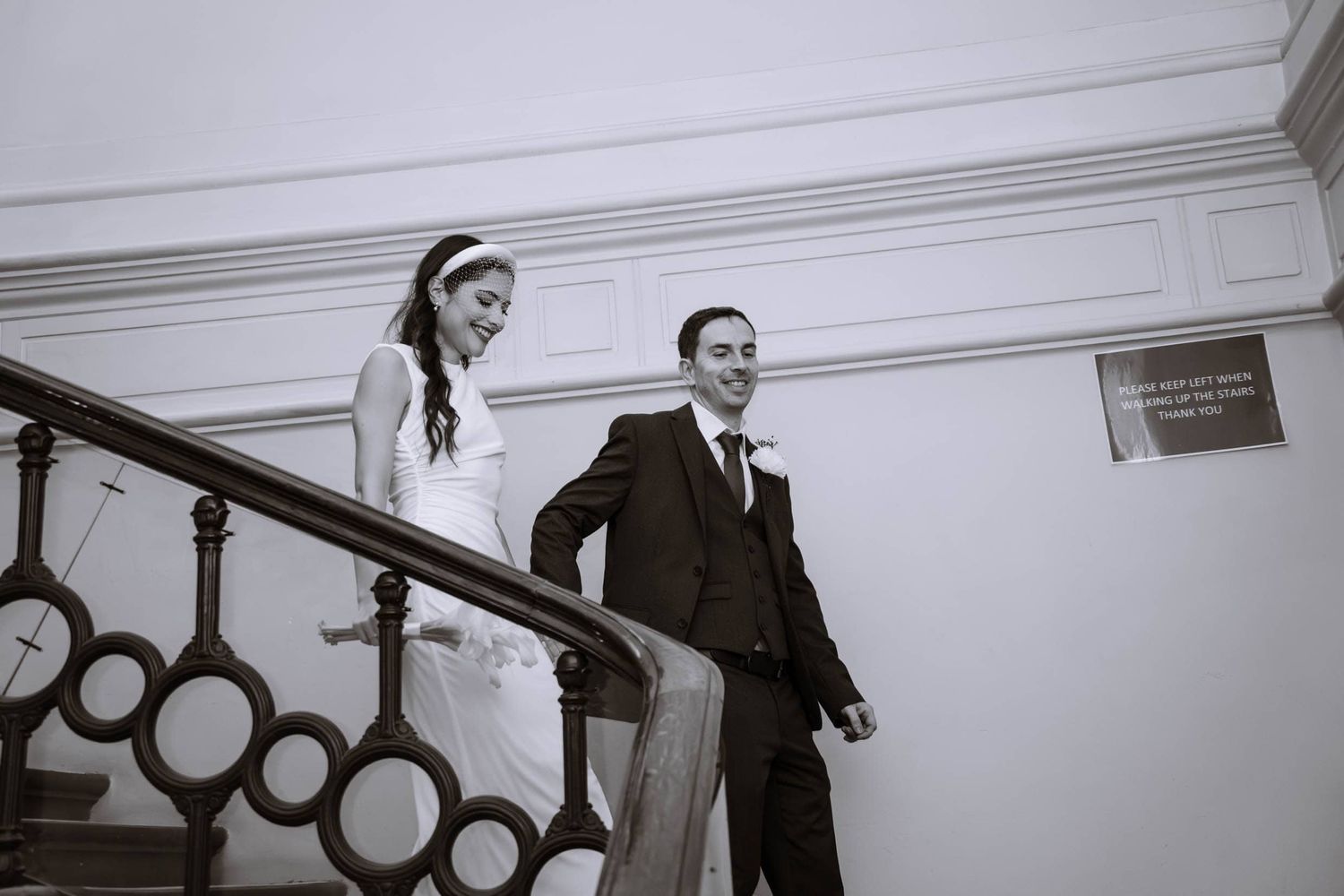
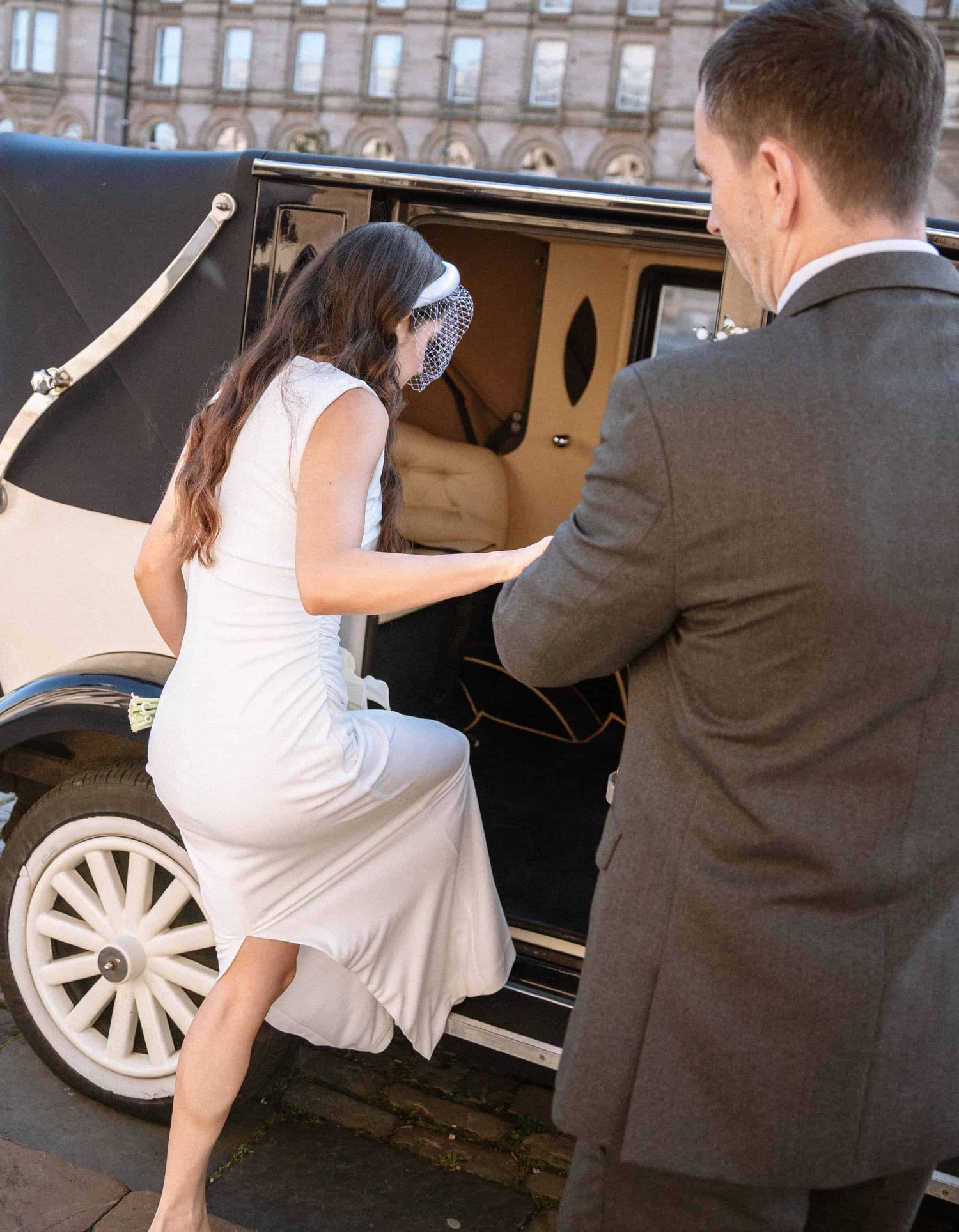
Photographing a civil ceremony in the heart of Liverpool is very different from a countryside or destination wedding. For this particular wedding, the couple wanted something small, contained, and rooted in the city rather than a full-scale production. They leaned into an old-world, speakeasy-style look, arriving in a vintage car that suited the formality of St George Hall’s architecture without needing heavy décor.
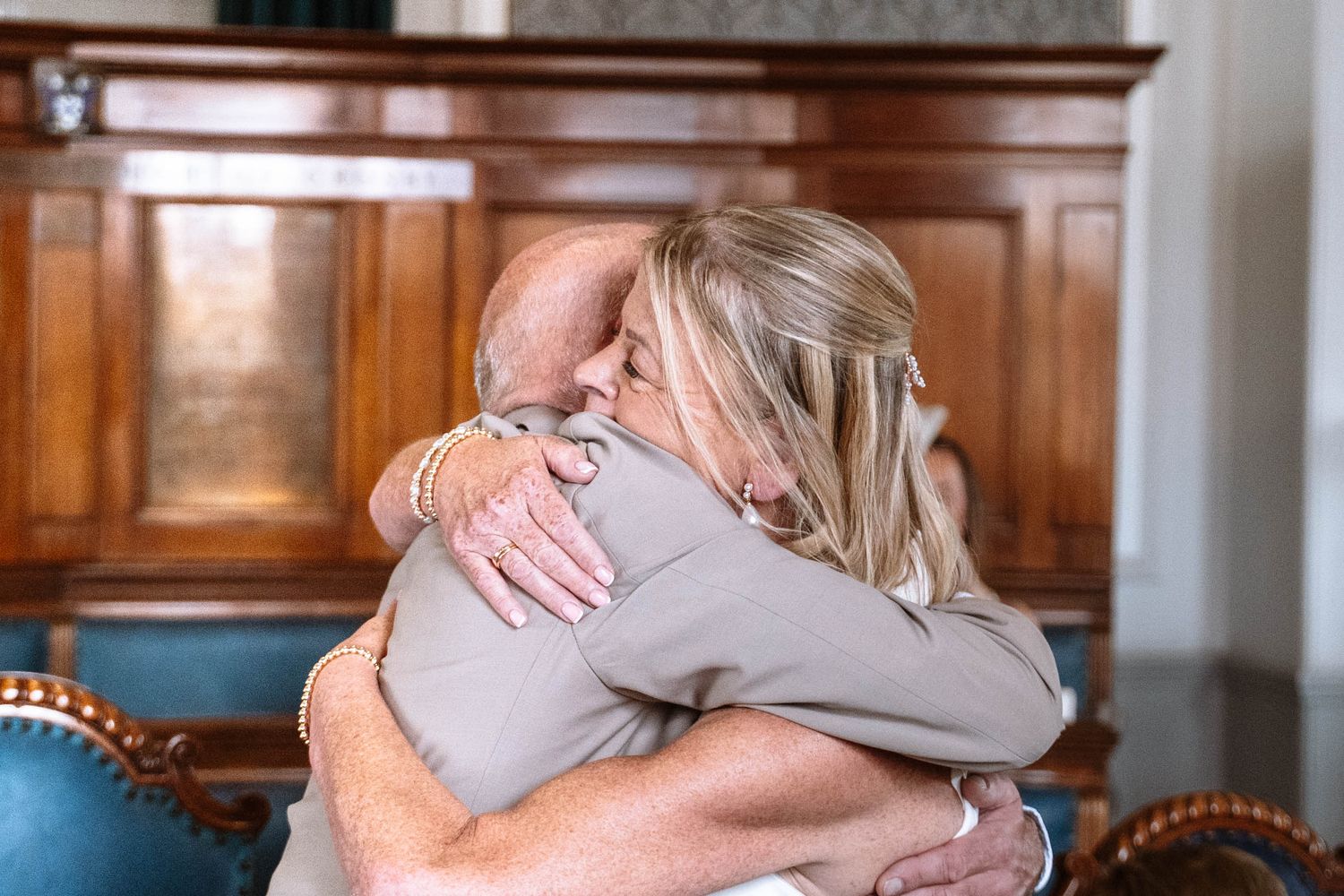
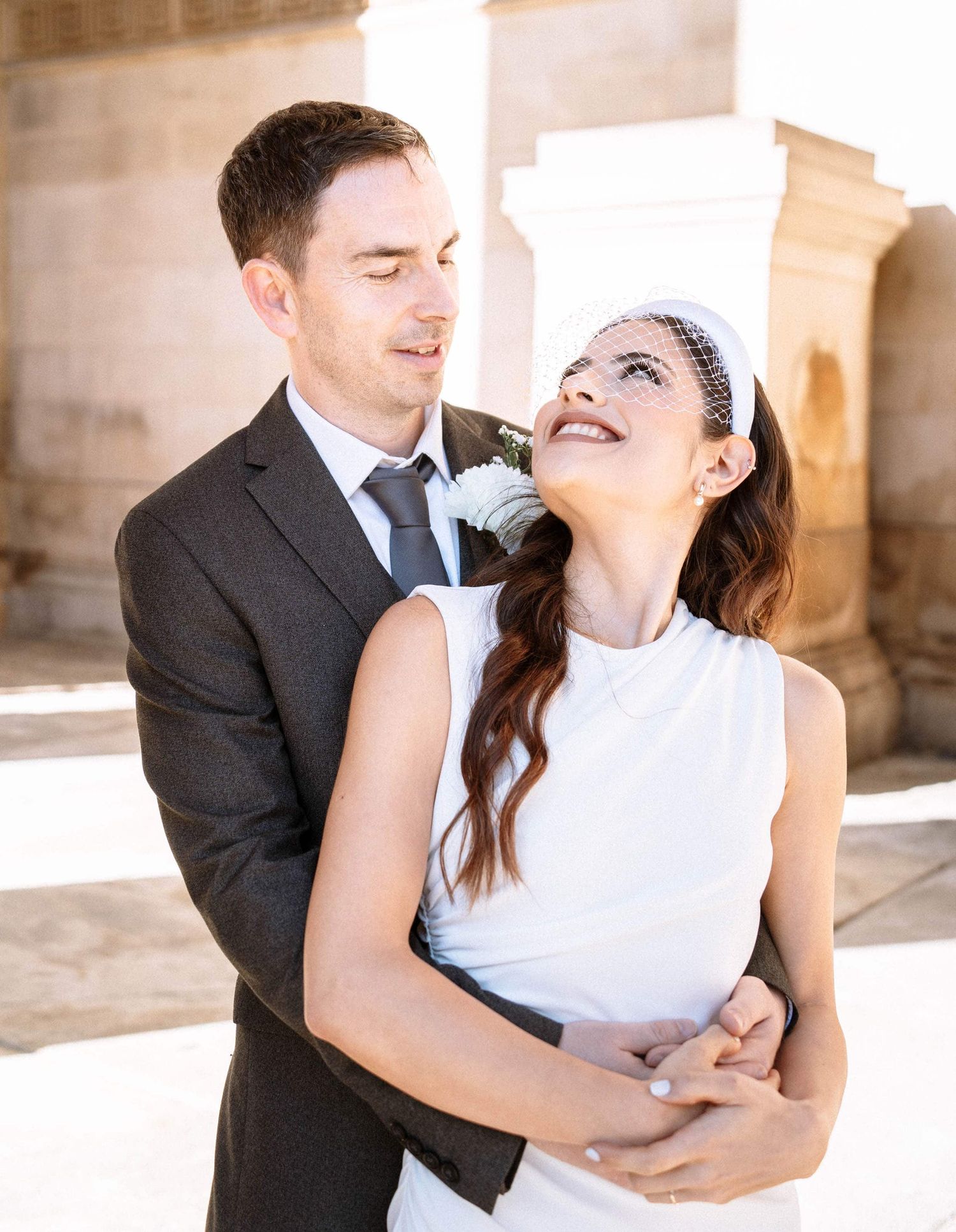
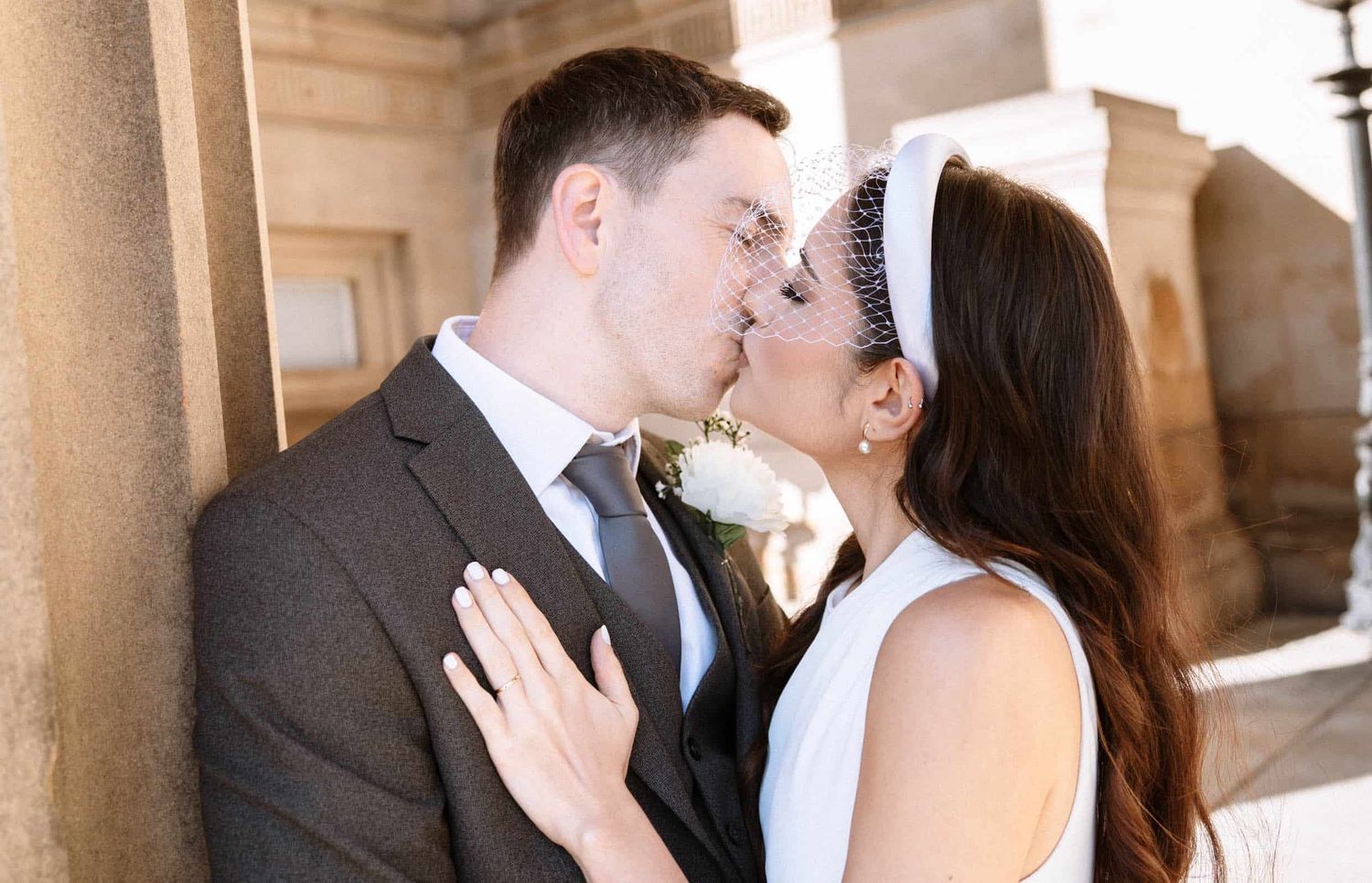
To match this atmosphere, my approach focused on documentary-editorial coverage rather than staged portraits. The ceremony followed a strict timeline, which meant working with the light, the structure of the space, and the natural flow of people moving through the building. The result was a set of images that reflected both the formality of the venue and the quiet, personal nature of a small civil wedding in the centre of Liverpool.

My style
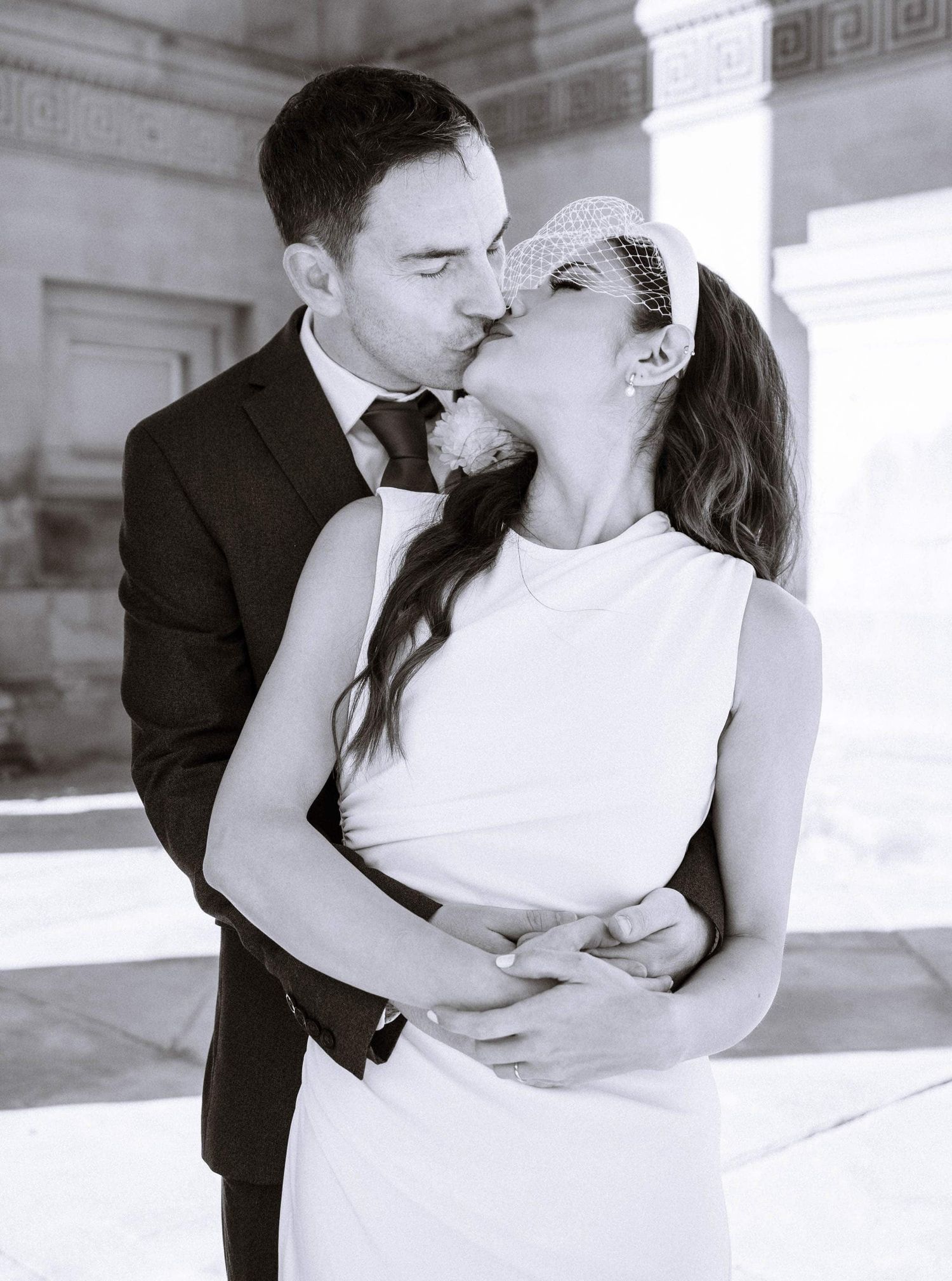
Documentary-editorial, with minimal interference. With a small group, constant posing breaks the atmosphere quickly. People become aware of the camera and the ceremony starts to feel staged. My role is to keep the coverage intentional and quiet: real reactions, clean framing, and short portrait sessions that do not interrupt the flow of the day.
St George Hall naturally pushes you into that approach. The venue is time-boxed and movement is controlled, so photography becomes about timing and awareness rather than directing. The focus stays on what is actually happening instead of manufacturing moments.
What a Liverpool St George Hall civil ceremony actually looks like
This was a short civil ceremony at Liverpool St George Hall with around ten people. The couple wanted an old-world city ceremony with a vintage, speakeasy feel rather than a large production. They leaned fully into that direction, arriving in a classic car that looked straight out of Peaky Blinders. The day worked because it stayed focused. No oversized guest list. No long venue schedule. Just a contained ceremony followed by moving on to the next part of the day.
St George Hall is best understood as a ceremony venue with a strict timeline. Most ceremonies are designed for small groups and small rooms. In practice, the ceremony spaces suit roughly 30–35 guests comfortably, with some layouts reaching closer to 40. Everything runs to time. The building is a working civic space, so the experience follows a clear structure: arrive, wait, ceremony, exit, and then continue elsewhere.
Weather is rarely an issue because the ceremony itself is indoors. The only part affected by rain is the outside exit and confetti moment, which is only allowed in the designated outdoor area. For the strongest natural light inside the ceremony rooms, midday is the best window, usually between 12pm and 1pm, when light reflects off the mirrors and windows and the space looks brighter and more even.
Most couples use St George Hall as the anchor point of the day. The ceremony happens here, then guests head to a hotel, restaurant, or reception venue nearby. It is a clear beginning rather than the entire story.
About Liverpool St George Hall
Liverpool St George Hall sits opposite Lime Street Station, making it one of the most accessible ceremony venues in the city. For small civil weddings, this matters more than people expect. It reduces late arrivals, lowers reliance on cars, and keeps the day from starting under pressure.
As a working civic building, the venue operates on fixed time slots. You do not control the schedule or the space beyond your allocated window. In return, you get a predictable system. Staff manage guest flow, rooms are prepared quickly, and the ceremony follows a clear structure from start to finish.
Architecturally, the building provides what many venues try to create with décor. Scale, symmetry, stone, and reflective surfaces give the space weight and formality even when the wedding itself is small. Couples who like classic city venues and want something controlled rather than flexible tend to feel most at home here.
For couples planning a ceremony here and a reception elsewhere, St George Hall works as a clean starting point. It gives you an official ceremony in a landmark building and then releases you back into the city for the rest of the day.
Ceremony spaces and capacity at Liverpool St George Hall
The civil ceremony rooms at St George Hall typically suit around 30–35 guests, with some layouts reaching closer to 40. That capacity shapes the experience. This is not a venue for large crowds. It is built for contained ceremonies with simple guest flow and tight timelines.
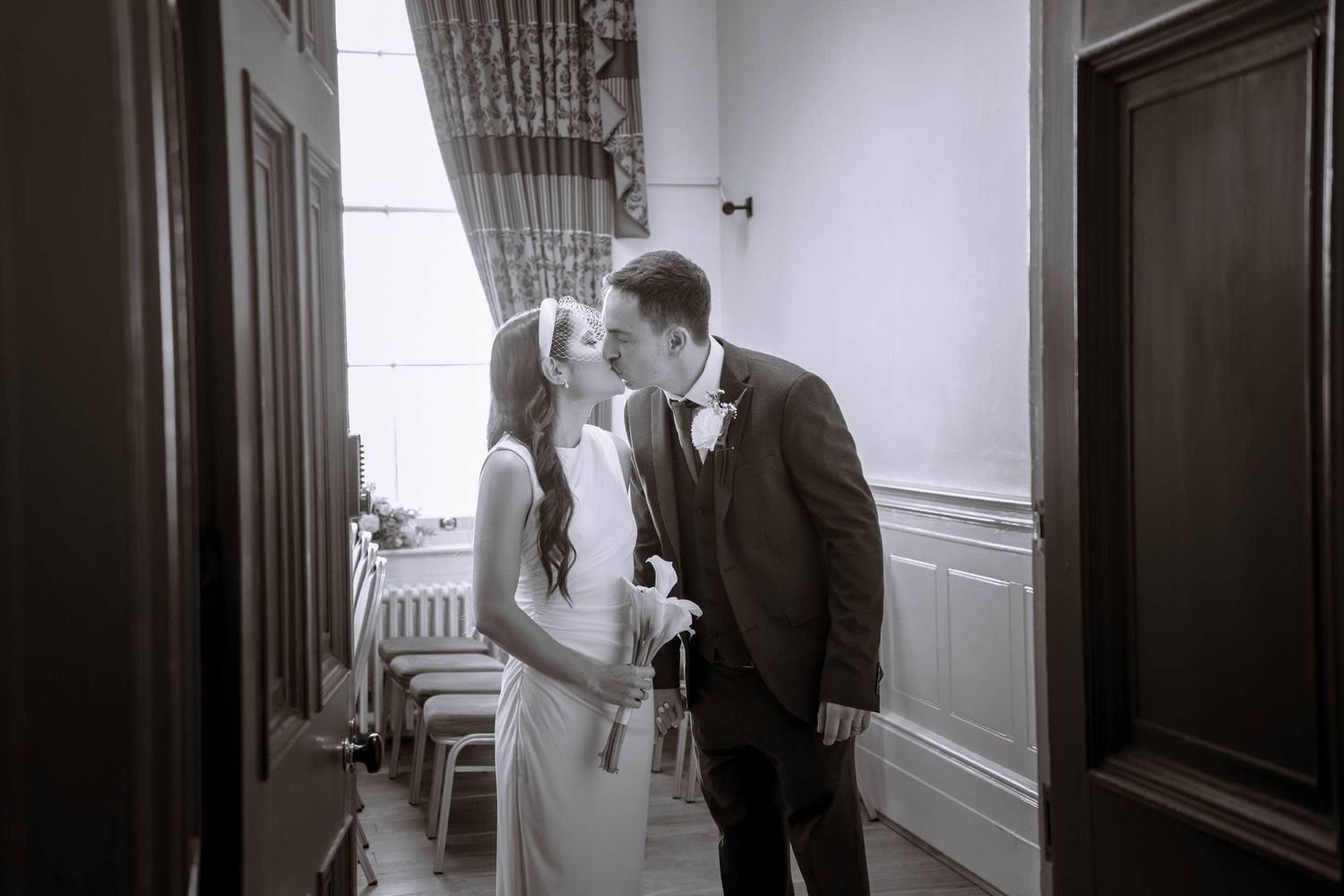
The rooms are among the better-lit civil ceremony spaces in the city. Mirrors and windows spread natural light more evenly than most registry venues, which helps the atmosphere feel cleaner and less flat. This is most noticeable around midday, when the room holds detail without looking gloomy.
The ceremony area is semi-restricted from the public. You are not standing in the middle of tourist traffic, but you are still inside a public landmark. This makes the space controlled rather than fully private. Practically, this means you focus on the ceremony itself and do not plan for long indoor portrait sessions.
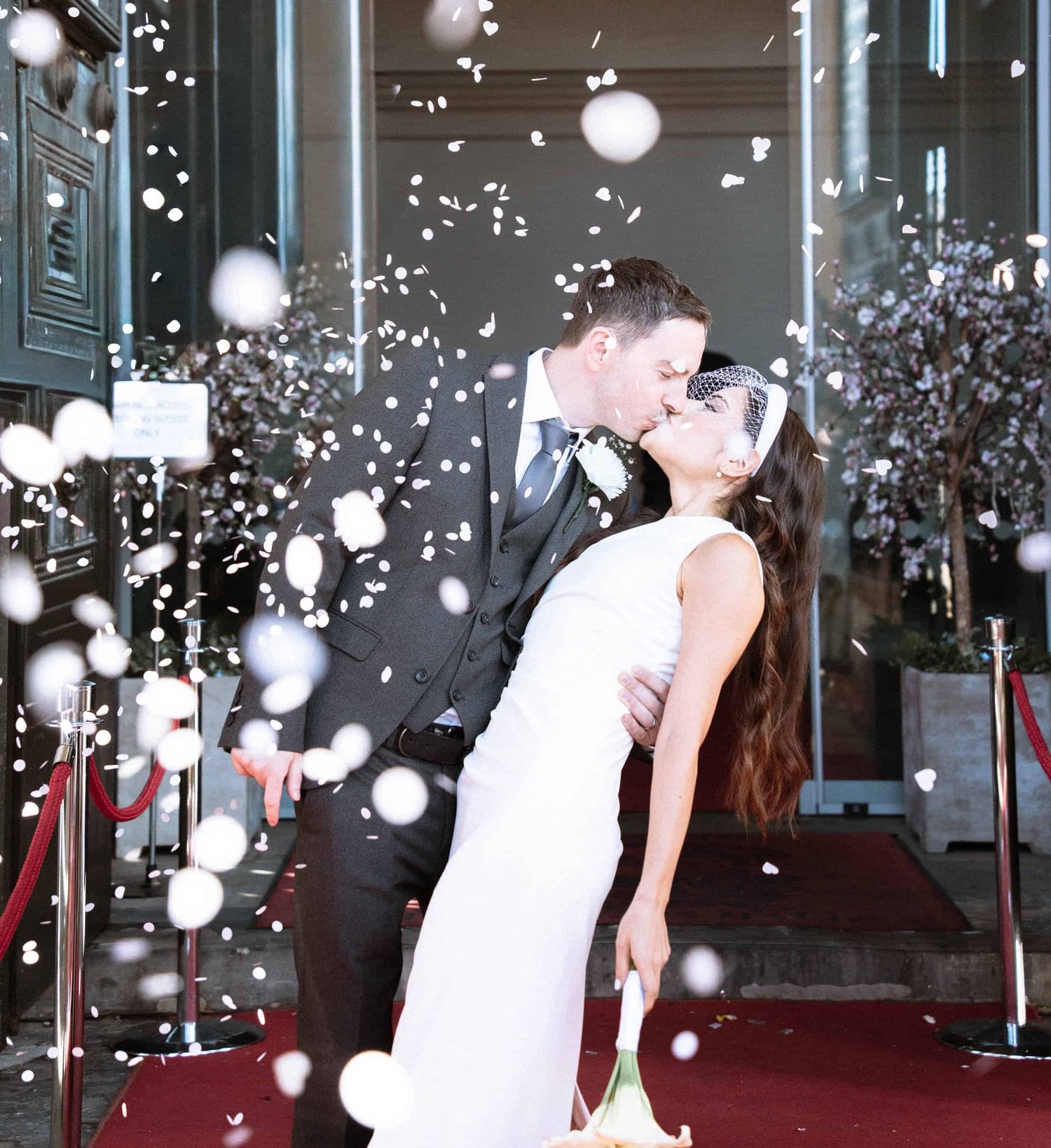
The entrance and exit being in the same area keeps guests together and prevents confusion. Confetti takes place outside in the designated exit area, which becomes the main visual release of the ceremony.
Guest logistics and accessibility
Train travel is the strongest arrival option. Lime Street Station is a short walk away, which keeps guest arrival predictable and avoids city traffic. With small ceremonies, one late car can disrupt the entire timeline, so this matters more than it would at a large venue.
Parking is the weakest part of the experience. Most guests will need to park in the city centre and walk five to ten minutes. Parking closer is possible but usually more expensive and still affected by traffic. The simplest approach is expectation management: tell guests early to allow extra time.
Inside the building, accessibility is strong. Step-free access and lifts make it workable for older guests and anyone with mobility needs. Civic venues tend to perform better here than many decorative venues that overlook practical movement.
Staff guide guests throughout the process. The benefit is clarity. The limitation is flexibility. Guests should be encouraged to arrive early, stay together, and follow instructions so the ceremony runs on time.
Portrait locations and timing
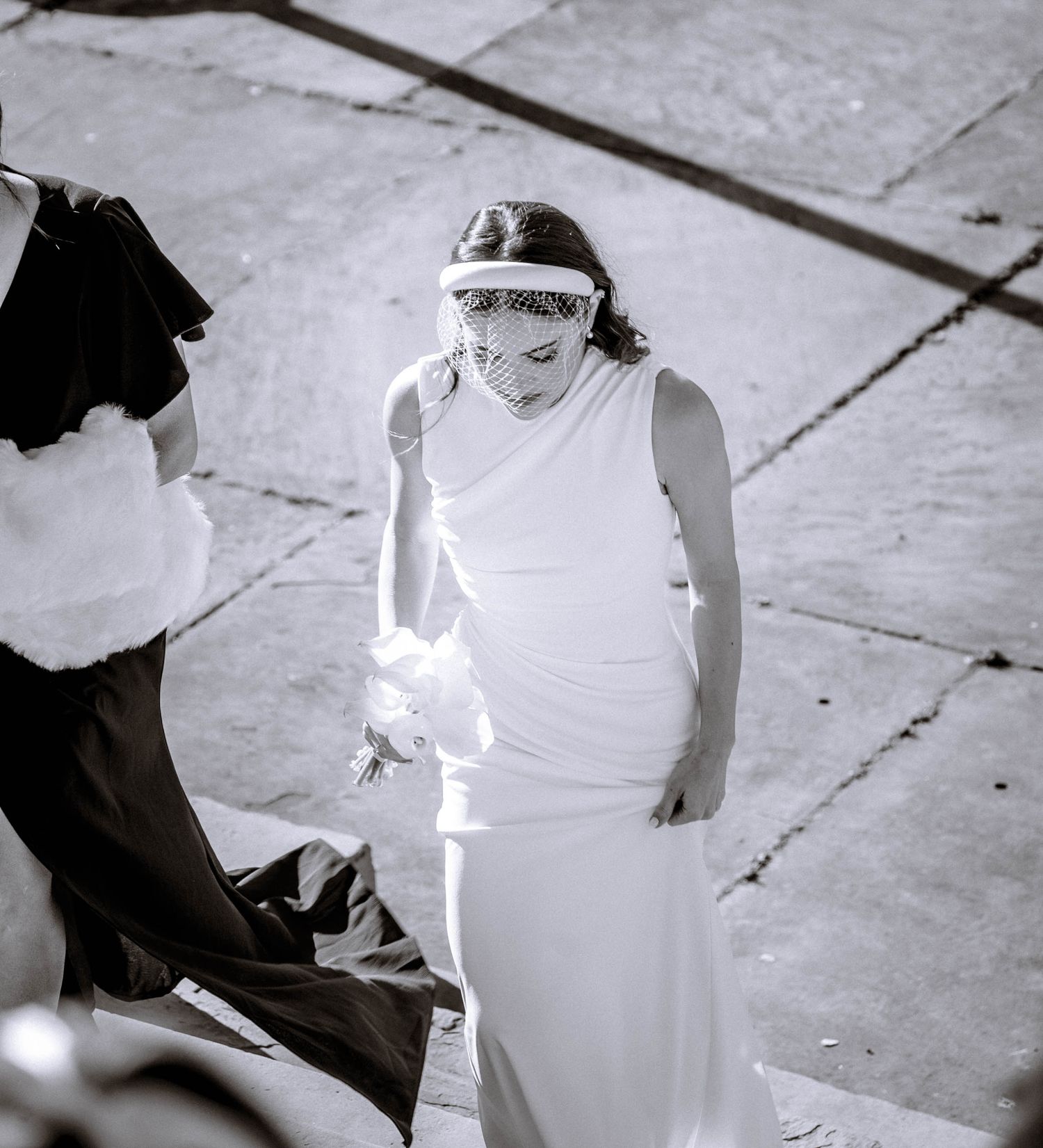
The strongest photographic moment is the exit. Confetti takes place outside the main doors, and this is where people naturally relax. It is also where the ceremony’s emotional shift happens: tension ends and the couple steps back into the city.
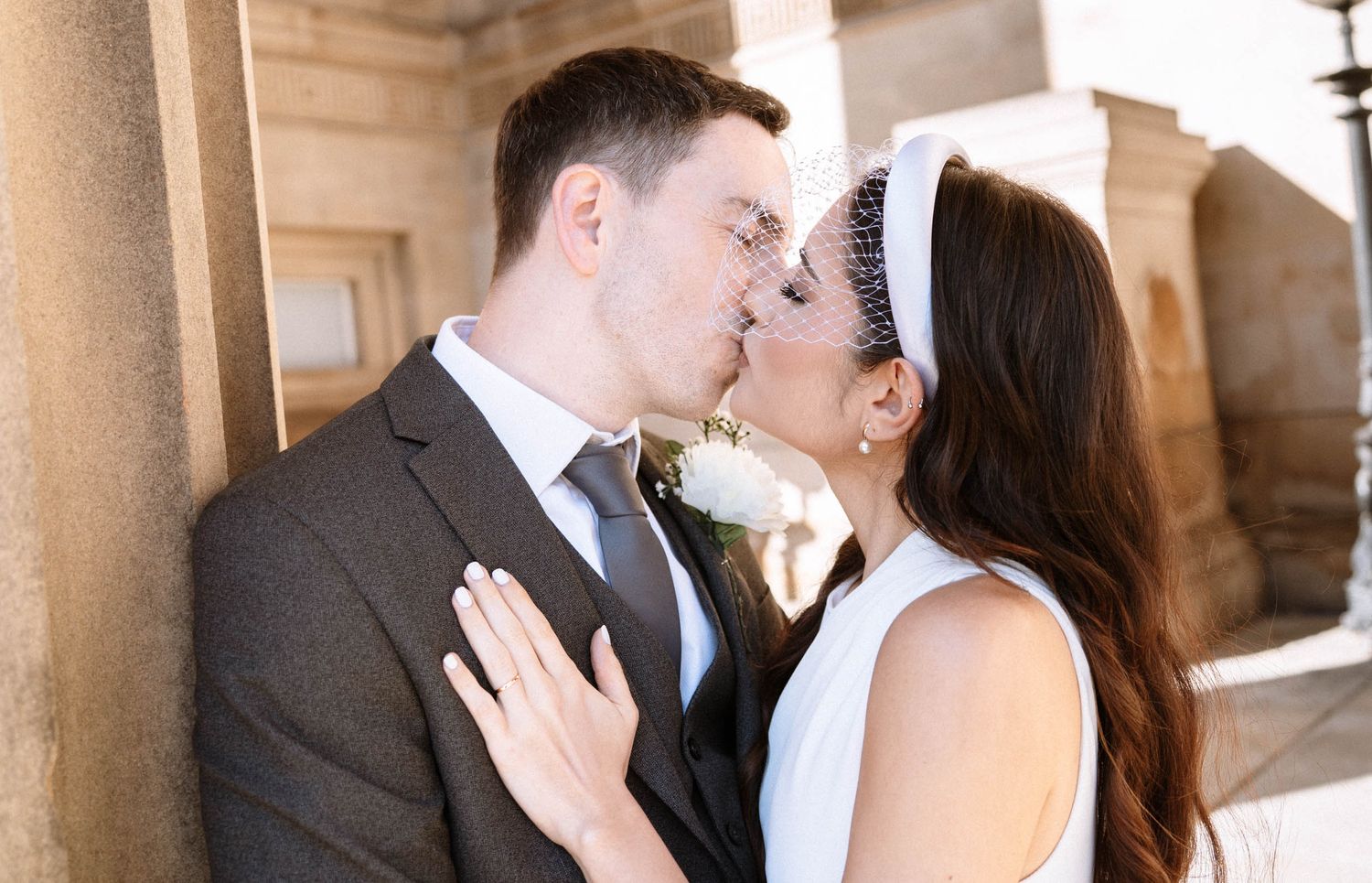
For portraits, the exterior architecture is the best use of time. Columns, stone, and symmetry give an editorial look without needing to move far. With a tight schedule, one or two strong backdrops are better than trying to chase variety across Liverpool.
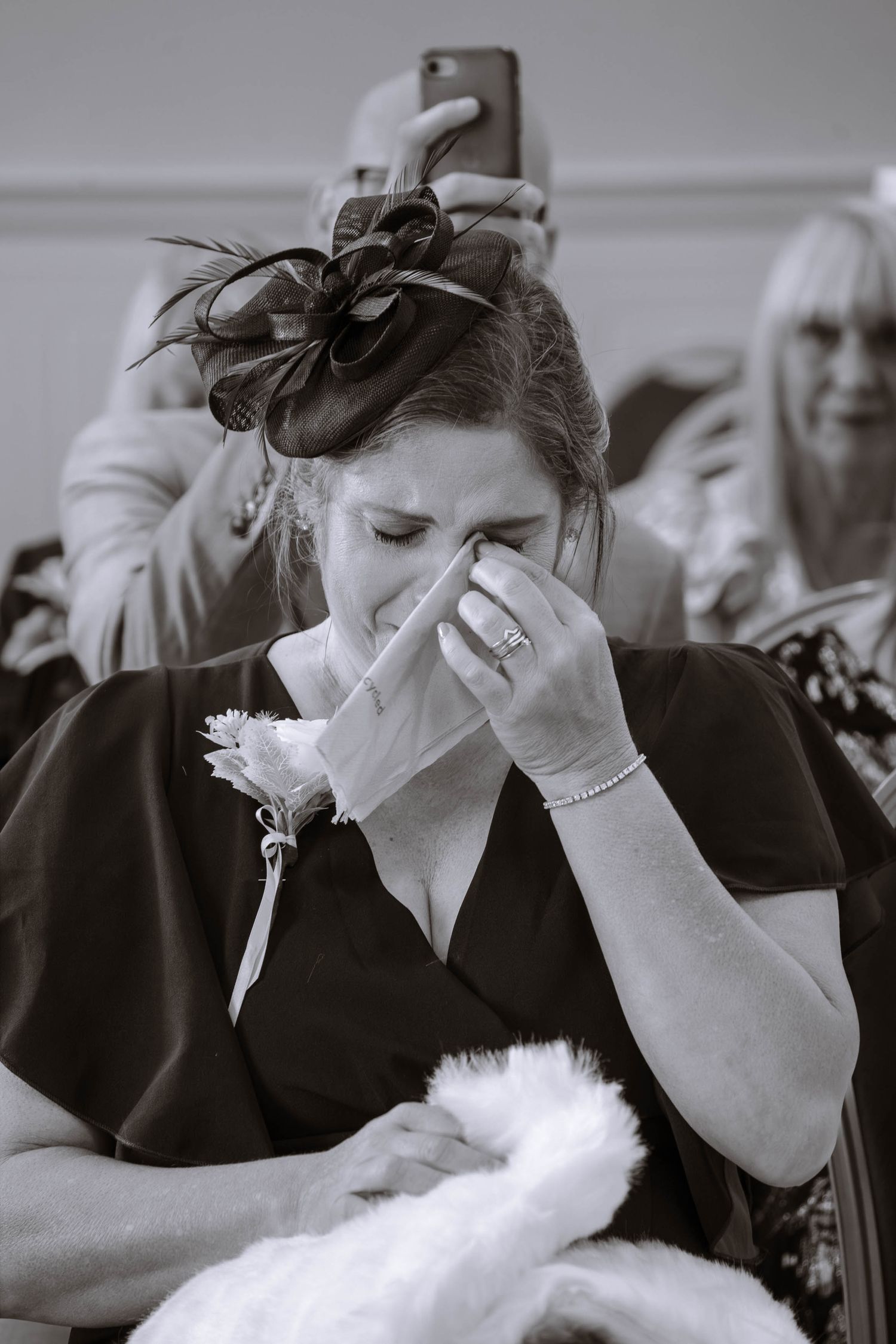
Inside the ceremony rooms, documentary coverage works best. Focus on arrivals, reactions, the register signing, and the first moments after the ceremony. Posed portraits inside are possible, but they rarely justify the time they take.
For light, midday between 12pm and 1pm gives the brightest and most even results inside the rooms.
Planning considerations
St George Hall works best when treated as a ceremony anchor, not the whole day. The venue is efficient, formal, and structured. It is not designed for long celebrations inside the building.
Because time slots are fixed, decide in advance what matters. If you want confetti, plan it. If you want family photos, do them quickly and clearly. If you want portraits, keep them short. Drifting wastes time and affects the wider venue schedule.
Décor can stay minimal. The building already carries atmosphere. Stronger visual identity usually comes from outfits, transport, and the reception setting rather than from trying to decorate a civic room for a short ceremony.
If guests are travelling in, nearby hotels such as the Adelphi make overnight stays easy. The ceremony can happen at St George Hall before moving on to a hotel or restaurant for the rest of the day.
FAQ
What is the guest capacity?
Most ceremony rooms suit around 30–35 guests, with some layouts reaching closer to 40.
What backup plans are needed for bad weather?
The ceremony is indoors, so weather does not affect the service. Only the outside exit and confetti moment may be impacted.
Where can guests park and how far is the walk?
Expect city centre parking and a five to ten minute walk. Parking closer is possible but usually more expensive.
Is confetti allowed, and where?
Yes, but only in the designated outdoor exit/carpet area. Not inside the building.
Liverpool St George Hall is a formal, well-run civic venue for civil ceremonies in central Liverpool. It is accessible, structured, and visually strong without heavy styling. For couples who want a contained ceremony with a clear timeline and plan to move elsewhere afterwards, it offers a practical and reliable starting point that still reads as a landmark on camera.
My advice for this venue
1)
Treat parking as a real planning issue, not an afterthought. City centre parking around St George Hall is difficult, and most guests will be walking five to ten minutes from a car park. You can park closer, but it usually costs more and does not remove the stress of traffic. The easiest solution is train travel. Lime Street Station is directly opposite the venue, which makes guest arrival far more predictable.
2)
Plan around the fact that the building is public. The ceremony room is semi-restricted, so it feels private enough to focus, but it is not exclusive hire. People may drift through parts of the hall. This is normal. The key is to keep the ceremony and exit moving without trying to hold the space longer than allowed.
3)
Use the venue’s layout to your advantage. Entrance and exit happen in the same area, which keeps guests together and avoids confusion. Confetti is permitted only in the outdoor exit/carpet area, so guests should be told clearly where to stand and when to do it. If you want the cleanest light and the easiest portraits, aim for a midday ceremony between 12pm and 1pm. The windows and mirrors do most of the lighting work for you.
4)
If you want to turn the day into a weekend, St George Hall works well as the ceremony anchor. Nearby options like the Adelphi Hotel make overnight stays simple, especially for guests travelling in. The city centre location also gives you built-in group activities. Albert Dock boat tours are walkable in around 15–20 minutes, and Liverpool ONE is close enough for low-effort plans the next day without organising transport.
If you’re planning a civil ceremony at Liverpool St George Hall and want photography that feels calm, intentional, and grounded in what actually happens, I’d be happy to hear more about your plans.
I photograph small city ceremonies with a documentary-editorial approach, keeping direction minimal and the focus on real moments and clean composition.
You can view my work and enquire
Once you have a date and time in mind, I can check availability and talk through how coverage would work for your ceremony.