If you’re planning a Jamaican wedding in the UK, you’ve probably already noticed that most of the advice out there is about destination weddings in Jamaica itself. Beautiful beaches, all-inclusive resort packages, getting married barefoot on the sand and none of which helps you when your venue is in Birmingham, your guest list is 150 deep, and your grandmother is not getting on a plane.
This guide is for the other version of a Jamaican wedding. The one where you’re getting married in England but you want it to feel like home. Where the food is right, the music is right, the traditions are honoured, and the energy in the room is unmistakably Caribbean/Jamaican. Not a generic UK wedding with a jerk chicken station bolted on. A properly Jamaican celebration that just happens to be in the UK.
Whether you’re first generation, second generation, or marrying into a Jamaican family and want to honour your partner’s culture, this guide covers the traditions, the food, the music, the ceremony, and how to pull it all together without losing what makes it special.
What Makes a Jamaican Wedding a Jamaican Wedding?
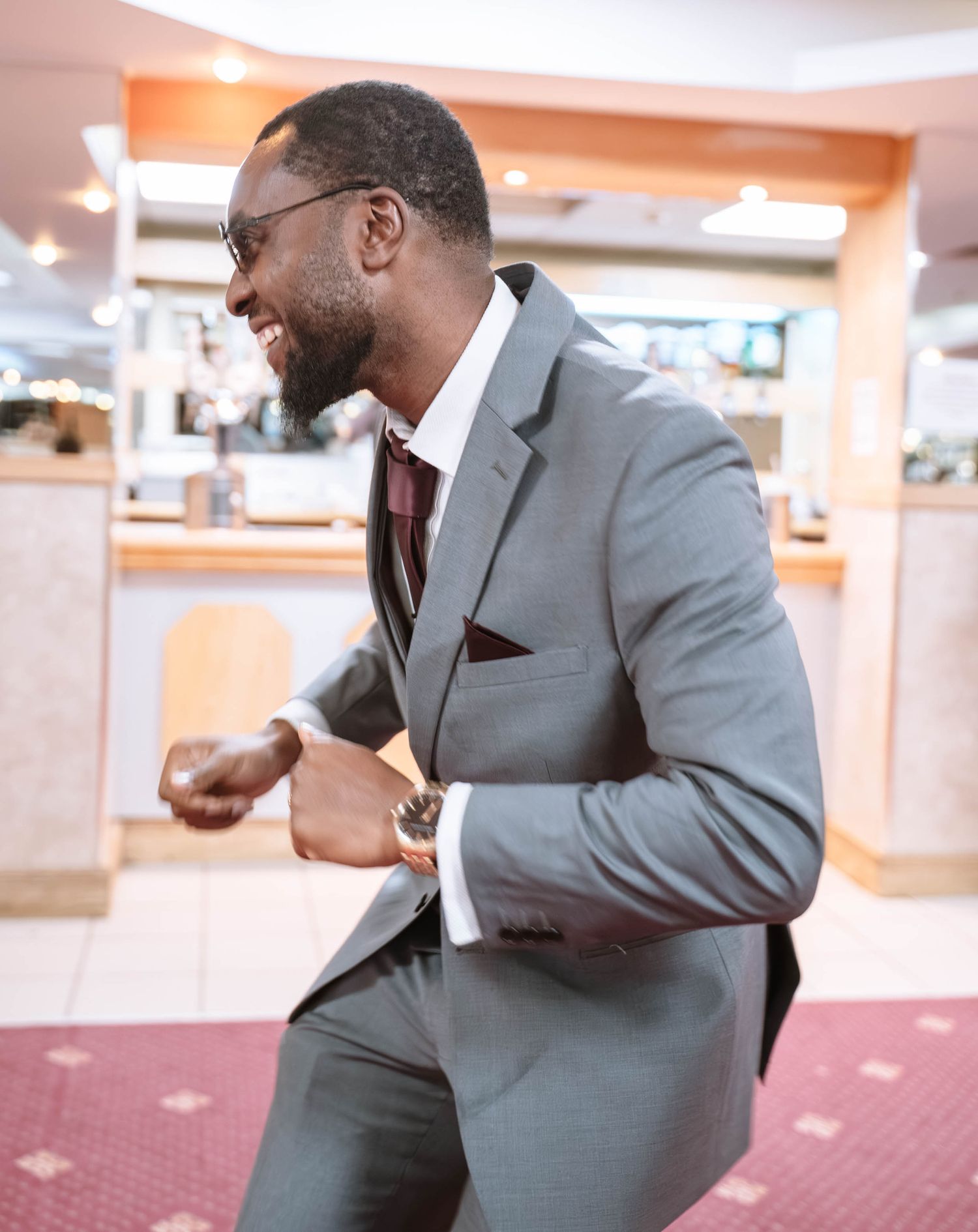
A Jamaican wedding is a community event. It’s not quiet, it’s not restrained, and it’s not designed to be over by 11pm. The energy, the food, the music, and the involvement of family and community are what set it apart. If your idea of a wedding is speeches, a three-course meal, and a first dance to GOLIATH, this is a celebration and it gets treated as one.
Both Parents Walk the Bride
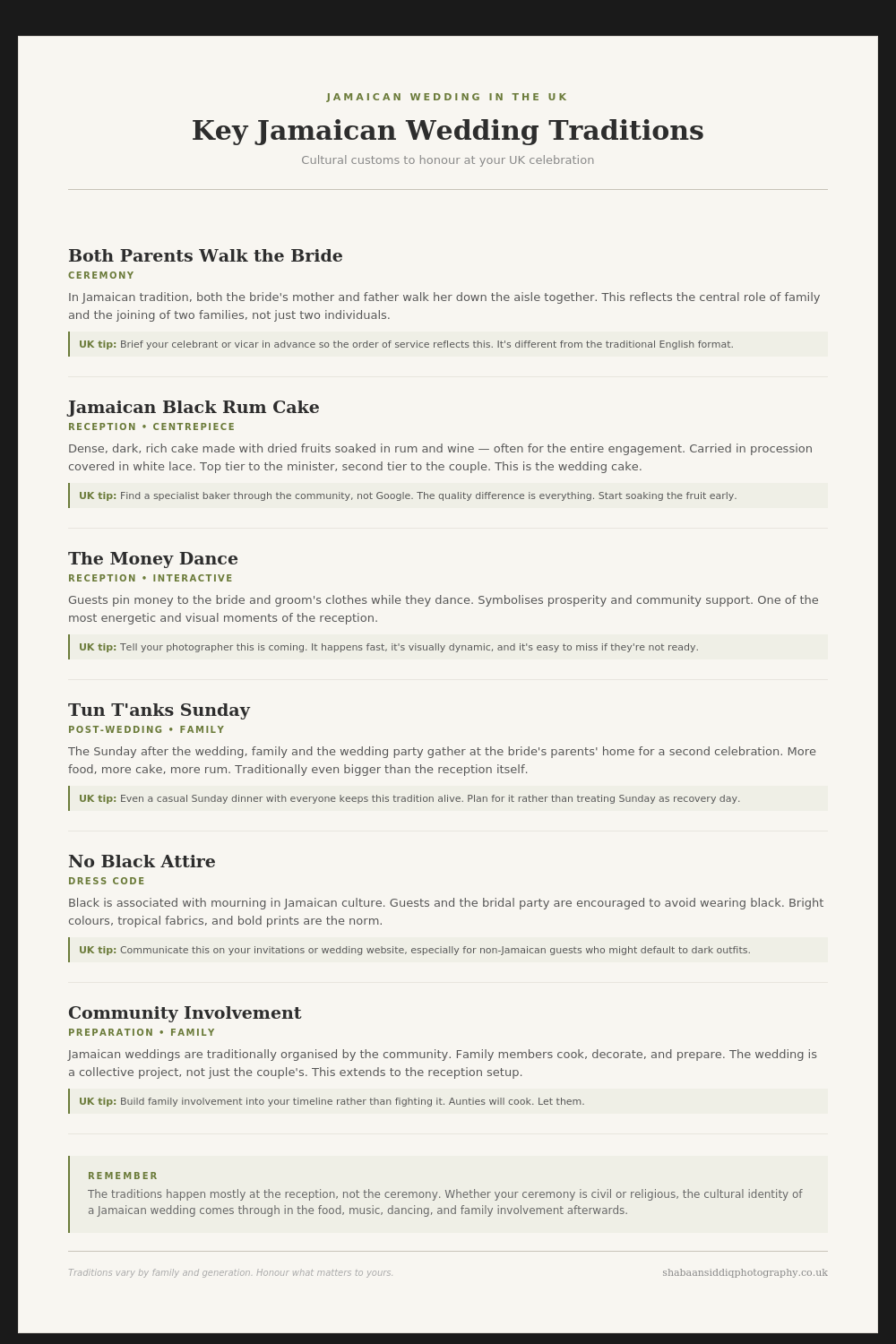
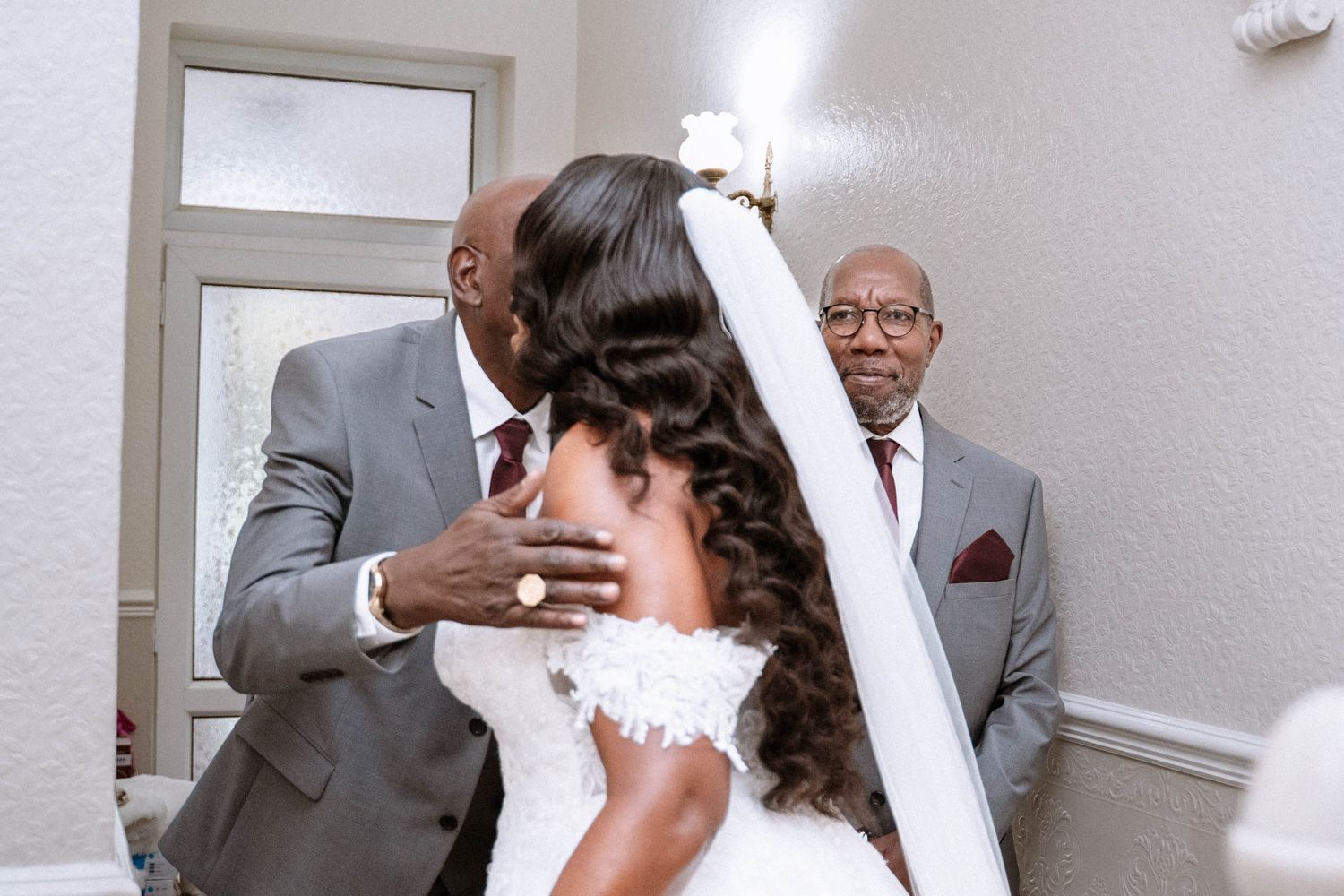
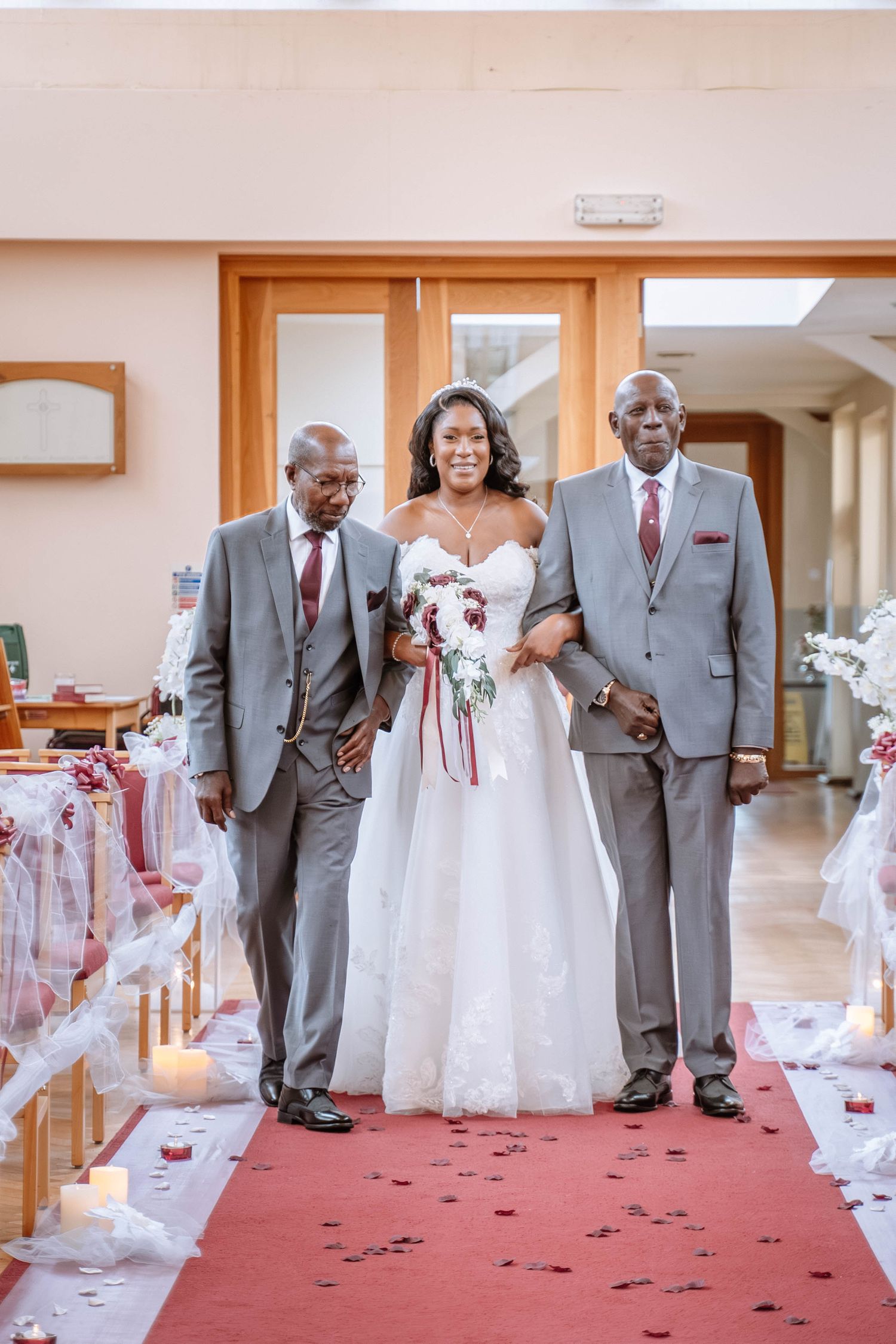
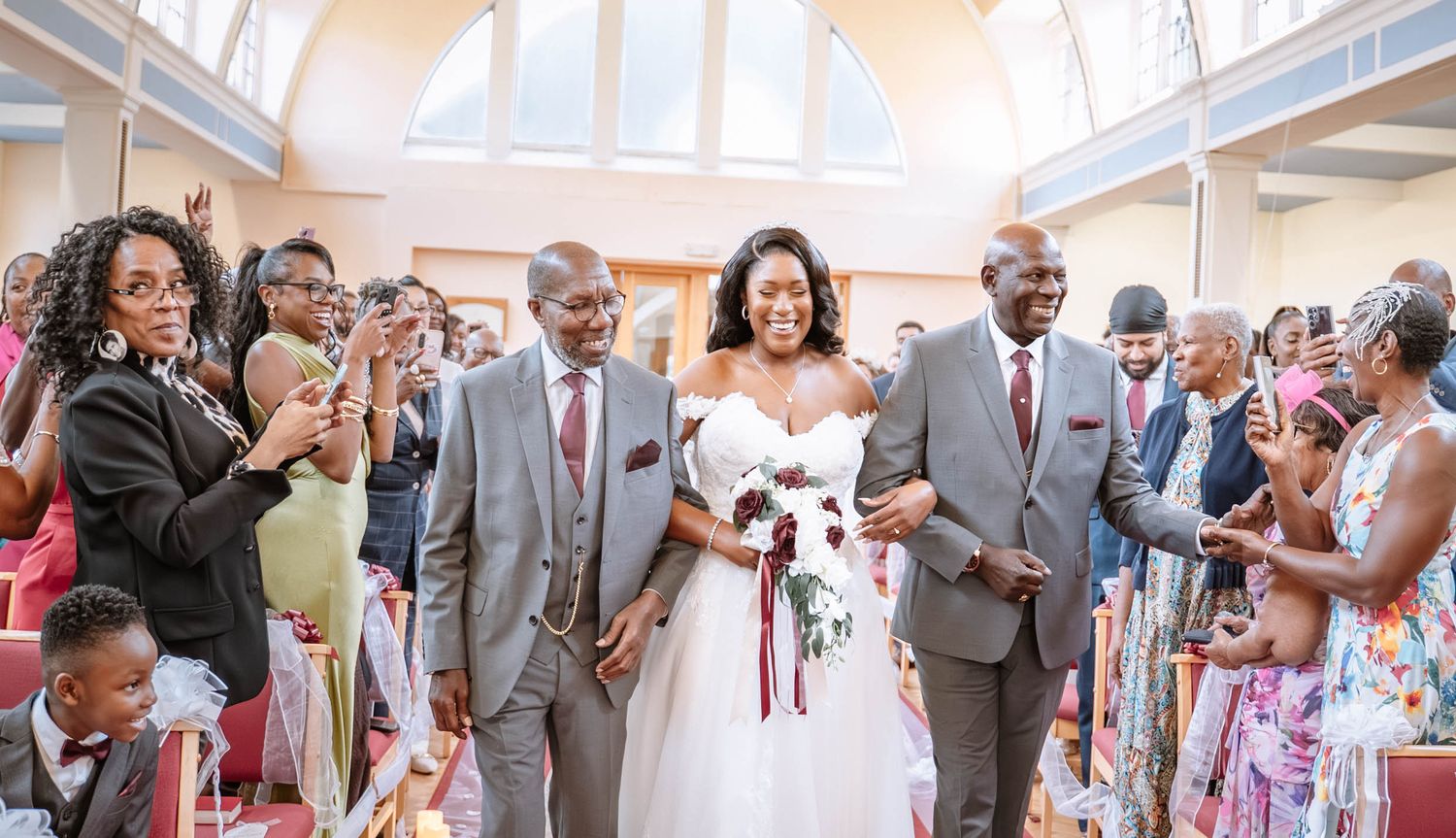
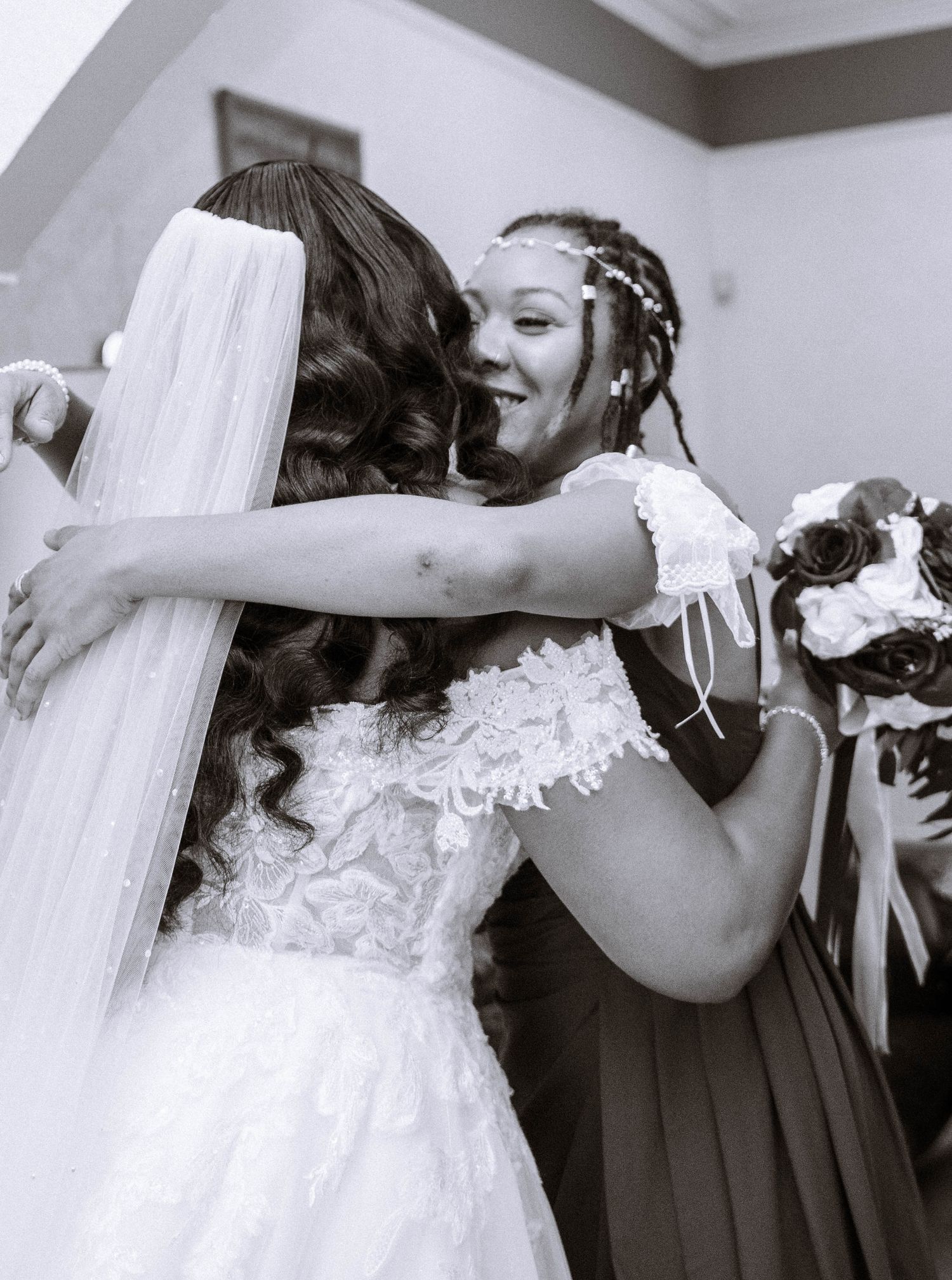
In Jamaican tradition, both the bride’s mother and father walk her down the aisle. This isn’t a modern twist — it’s how it’s done. It reflects the central role of family in Jamaican culture and the idea that marriage is a joining of families, not just two individuals. If you’re having a ceremony in the UK and want to honour this, brief your celebrant or vicar in advance so the order of service reflects it.
The Jamaican Black Rum Cake
This is not your standard three-tier Victoria sponge. Jamaican black rum cake is dense, dark, rich, and soaked in rum. Traditionally, the dried fruits, either raisins, prunes, cherries or all of them - are soaked in rum and wine for the entire length of the engagement. Some families start soaking months in advance. The cake is carried in procession to the ceremony, covered in white lace, and not unveiled until the reception. The top tier goes to the minister, the second to the couple. Finding a baker in the UK who can make an authentic Jamaican black rum cake is non-negotiable if this matters to you. Ask within the community as this is almost always a recommendation, not a Google search. A good rum cake can make your party way better.
The Money Dance
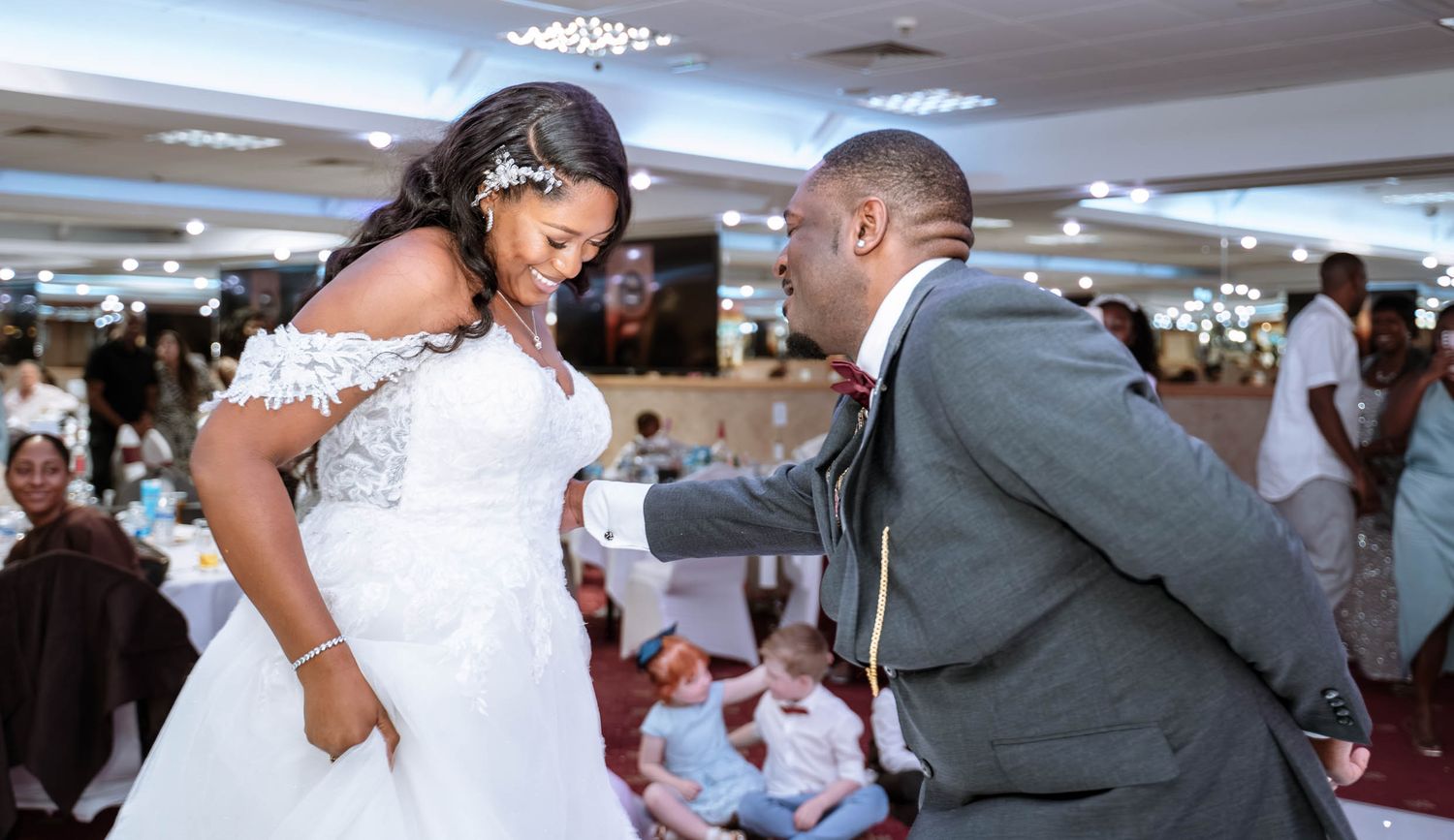
Guests pin money to the bride and groom’s clothes while they dance. It symbolises prosperity and community support for the couple’s future. It’s participatory, it’s joyful, and it gets everyone on the dance floor. If you’re planning this at a UK venue, let your photographer know in advance as it’s one of the most visually dynamic moments of the reception and happens fast.
Tun T’anks Sunday
The Sunday after the wedding, the wedding party gathers at the bride’s parents’ home for a second celebration. More food, more cake, more rum. Traditionally this was even bigger than the reception itself. In the UK, this often becomes a relaxed family gathering, maybe it's a Sunday dinner with everyone who was at the wedding, winding down from the weekend. It’s worth planning for even if you keep it casual.
No Black Attire
In Jamaican culture, black is associated with mourning. Guests and the bridal party are encouraged to avoid wearing black. If you’re blending Jamaican and British wedding culture, this is worth communicating on your invitations or wedding website, especially for non-Jamaican guests who might default to a black dress or dark suit.
Community Involvement
Jamaican weddings are traditionally organised by the community around the couple. Family members and friends take on roles in preparation, cooking, decorating, building the reception space. In the UK context this translates into the wedding being a family project, not just the couple’s. Aunties cook, cousins decorate, grandmothers oversee. If your family wants to be involved in the preparation, build that into your timeline rather than fighting it.
The Food: Getting It Right in the UK
The food at a Jamaican wedding is one of the things people talk about for years afterwards. Get it right and your wedding becomes legendary. Get it wrong and nobody will let you forget it.
The Essential Menu
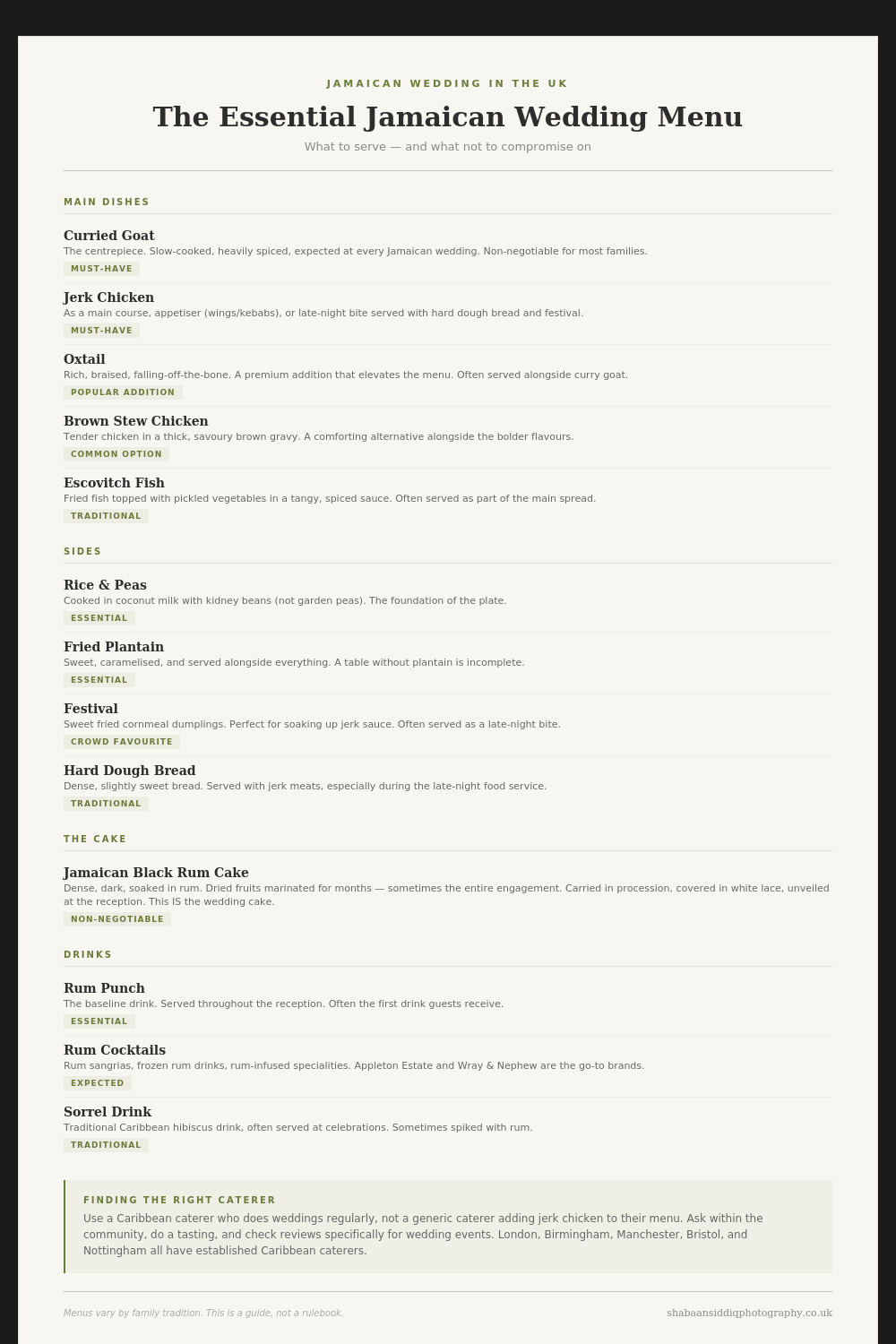
Curried goat is the centrepiece. It’s slow-cooked, heavily spiced, and expected. Jerk chicken in some form it is often as a main, or as an appetiser, or a late-night bite. Some have rice and peas (cooked in coconut milk with kidney beans, not garden peas). Others may choose Fried plantain. Heck, some even get Escovitch fish or Oxtail if you want to push the boat out. Often you have something called Festival (sweet fried cornmeal dumplings) and hard dough bread with the jerk. Brown stew chicken as an additional option. Mannish water (goat head soup) at some traditional receptions, though this varies by family.
It's a diverse lists, with various options. Not all caterers offer each and every one of them, so check before hand.
Rum
Rum punch at minimum. Rum-infused cocktails, rum sangrias, frozen rum drinks. Appleton Estate, Wray & Nephew — the specific brand matters to people who know. If your venue allows you to bring your own spirits or work with the bar on a custom cocktail menu, use it. A rum-free Jamaican wedding reception is a contradiction in terms.
Finding Caribbean Caterers in the UK
This is where planning a Jamaican wedding in the UK requires local knowledge. The big cities: London, Birmingham, Manchester, Bristol, Nottingham, Leeds, all have established Caribbean caterers who specialise in event catering. Some operate out of restaurants, others are independent caterers who work exclusively on events. The quality difference between a Caribbean caterer who does weddings regularly and a generic caterer who adds jerk chicken to their menu is enormous. Ask within the community, check reviews specifically for wedding events, and do a tasting before you commit. If a family member is cooking, that’s its own tradition, just make sure the kitchen arrangements at your venue can accommodate it.
Venue Catering vs Outside Caterers
Many UK wedding venues insist on using their own in-house caterer, which is a problem if their idea of Caribbean food is mild jerk marinade from a supermarket. When choosing your venue, one of the first questions should be whether they allow outside caterers. If they don’t, walk away and find one that does. This is not a compromise worth making. Some couples work around it by having the venue handle the ceremony and welcome drinks, then moving to a different space (a hall, a marquee, a family member’s property) for the reception where they have full control over food and drink.
The Ceremony: Civil or Religious?
Hymns, scripture readings, prayers, and blessings are standard. If you and your partner are practising Christians and want a traditional Jamaican ceremony in the UK, a church wedding is the natural choice. Church of England, Catholic, Baptist, Pentecostal, Seventh-day Adventist — the UK has churches across denominations that serve Caribbean congregations.
If you’re not religious, or you want more flexibility over venue and content, a civil ceremony works just as well. The cultural traditions from both parents walking the bride, the rum cake, the money dance, Tun T’anks Sunday all can happen at the reception, not the ceremony. The ceremony type doesn’t determine whether the wedding feels Jamaican. The reception does.
A third option is a civil ceremony for the legal part and a separate blessing at a church or with a celebrant. This gives you the legal flexibility of a civil ceremony (any licensed venue) with the spiritual elements if you want them.
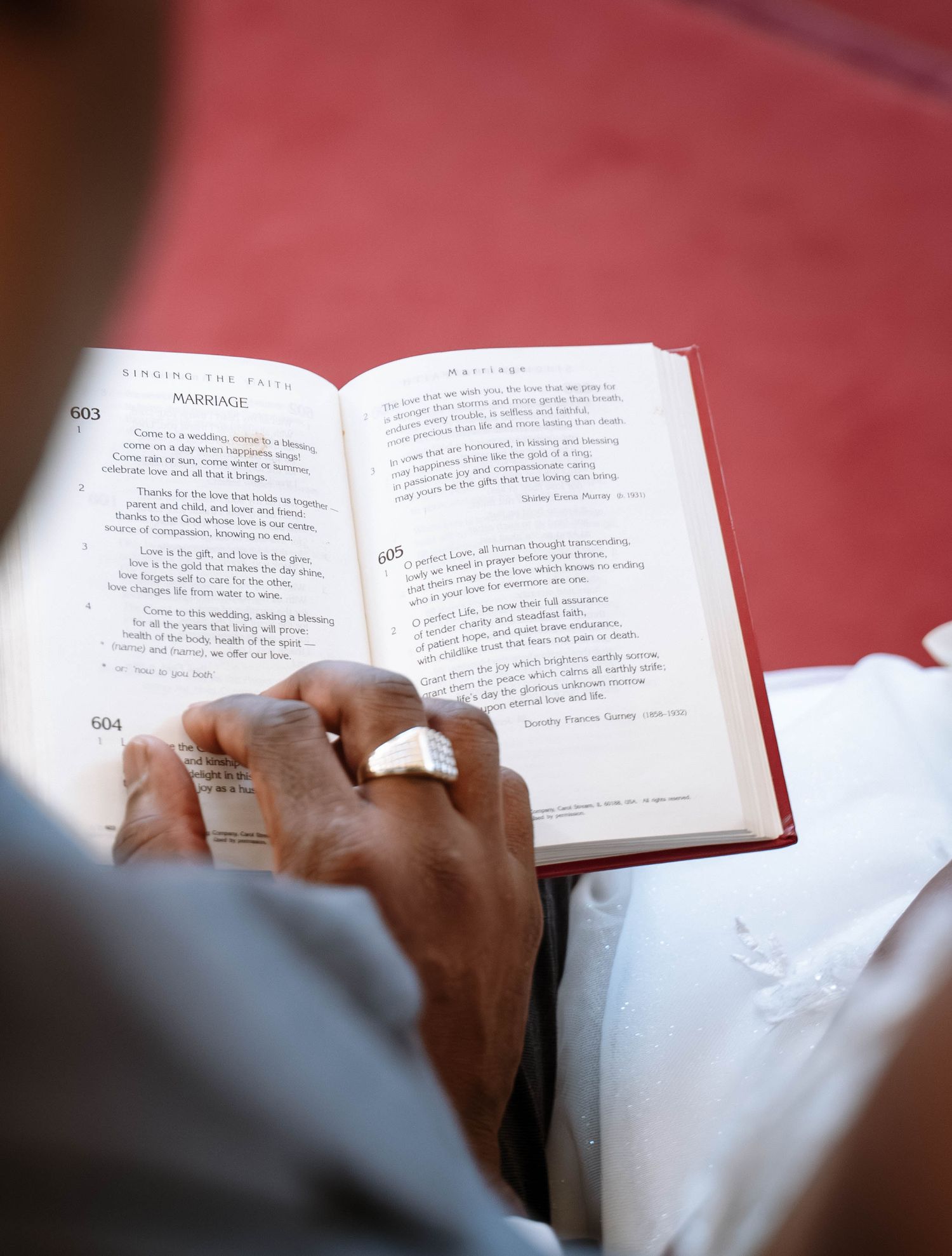
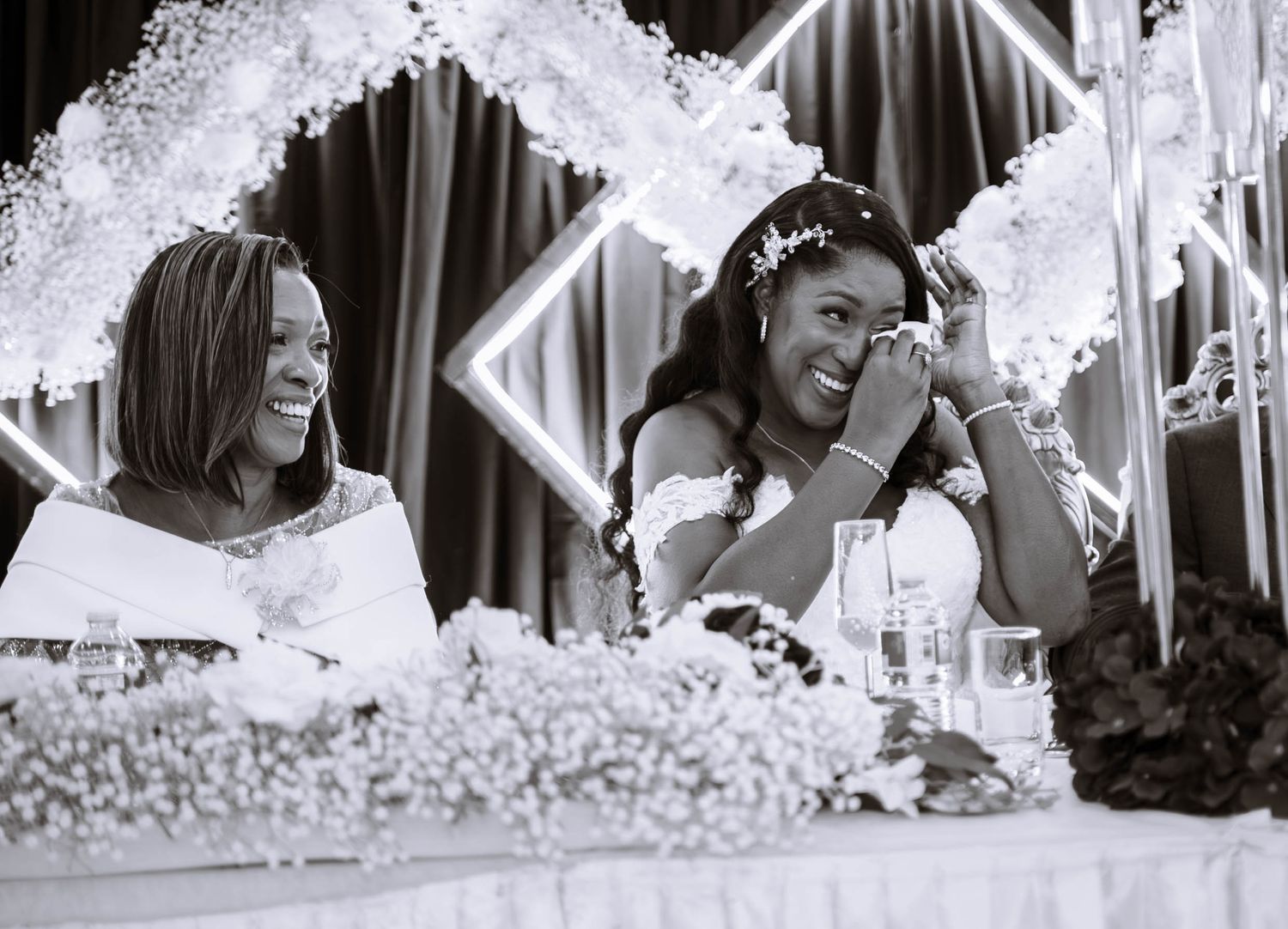
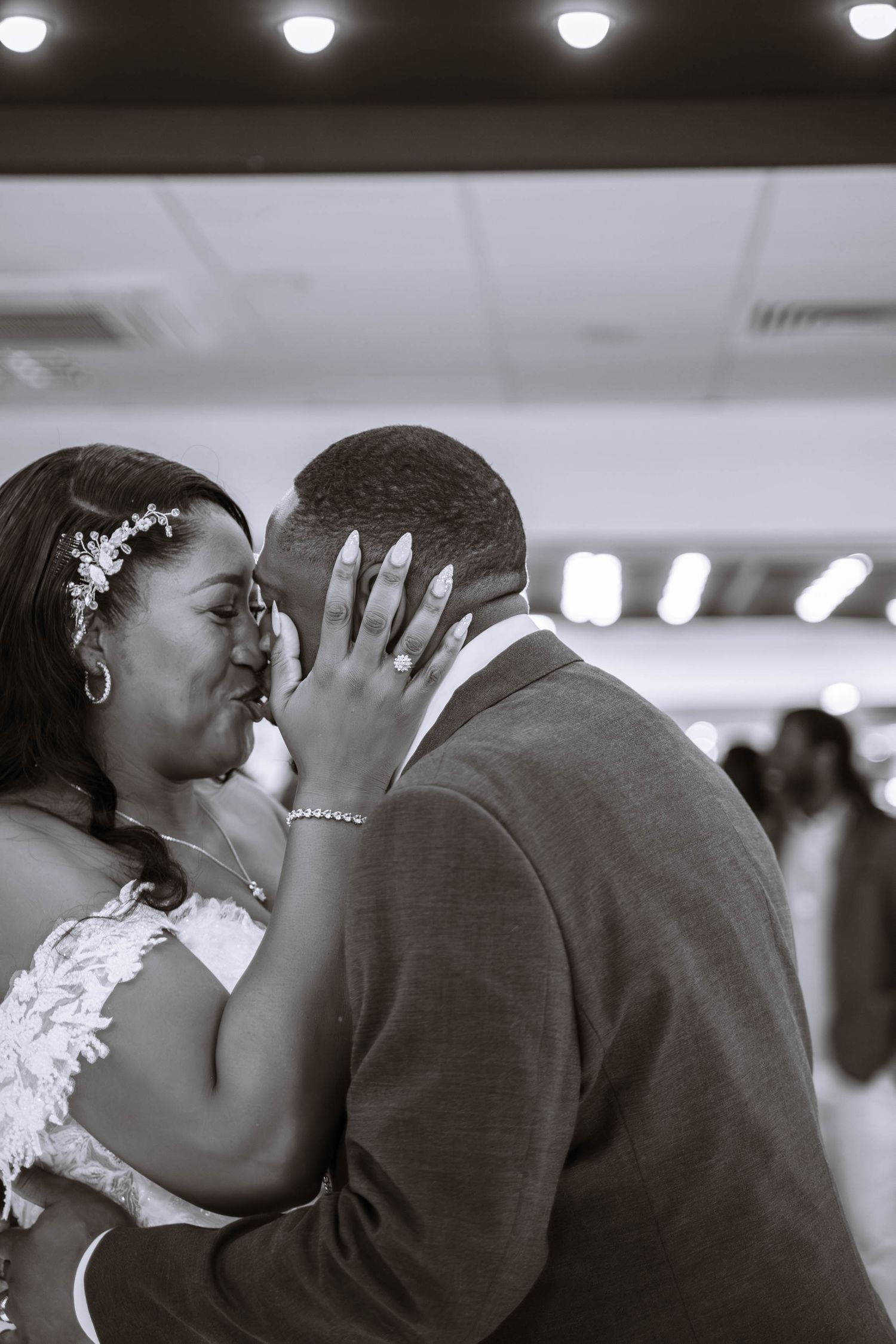
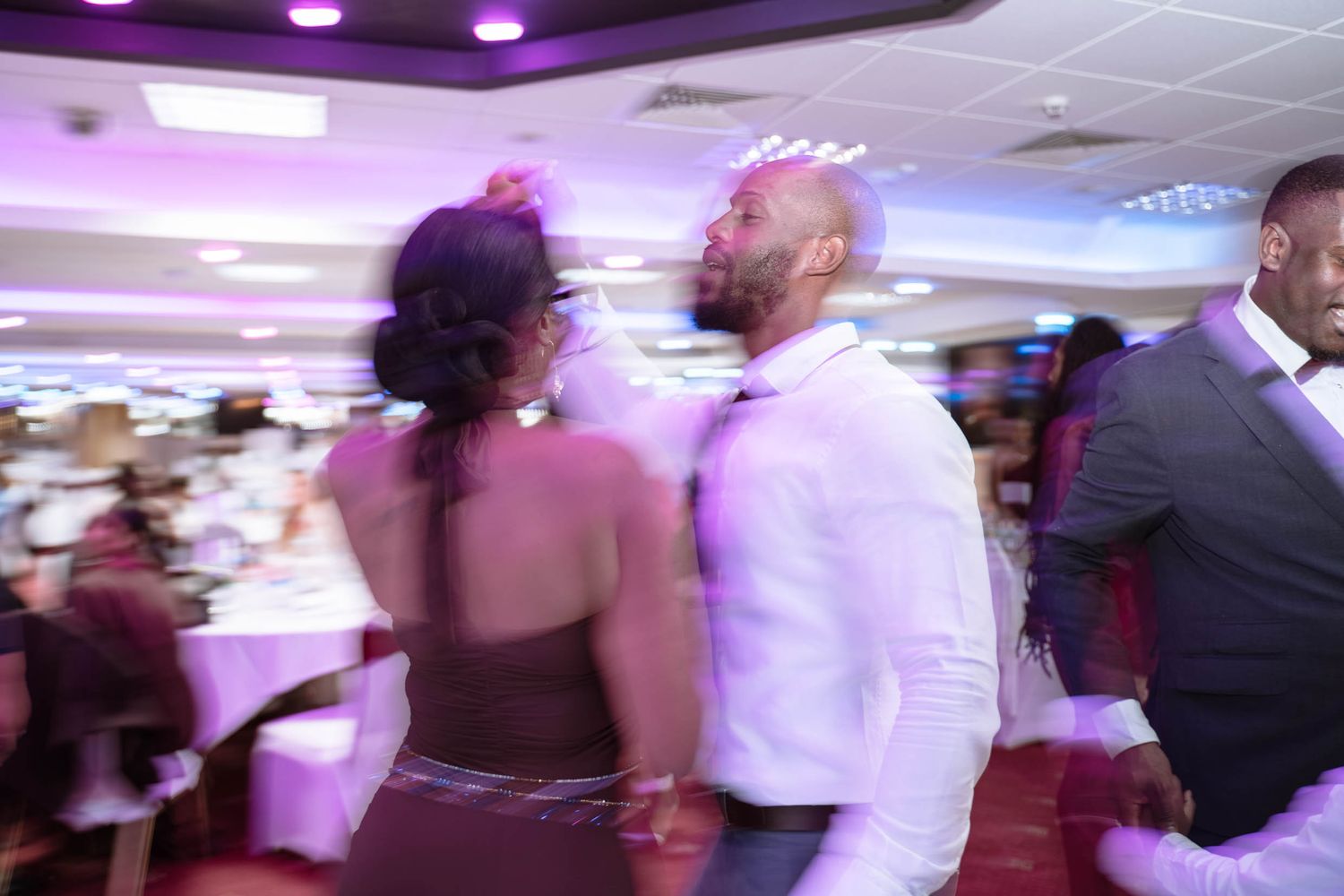
Choosing a Venue That Actually Works
The venue can make or break a Jamaican wedding in the UK, and the usual “pretty barn with fairy lights” approach doesn’t apply. The priorities are different.
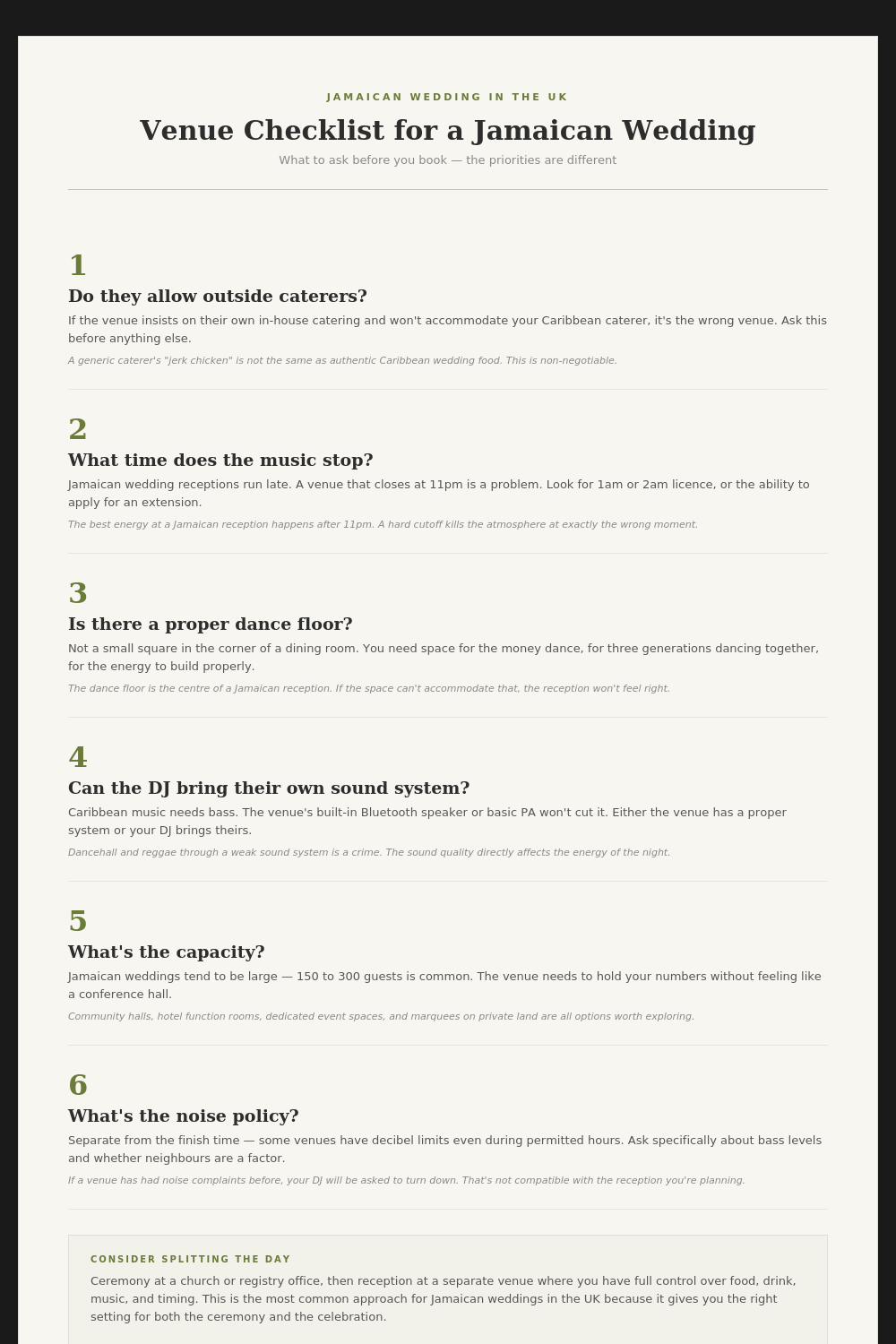
Outside catering: Non-negotiable. If the venue won’t allow your Caribbean caterer, it’s the wrong venue. Ask this before you ask about anything else.
Late finish: Jamaican wedding receptions run late. A venue that closes at midnight is tight. A venue that closes at 11pm is a no. Look for venues with a 1am or 2am licence, or venues where you can apply for an extension.
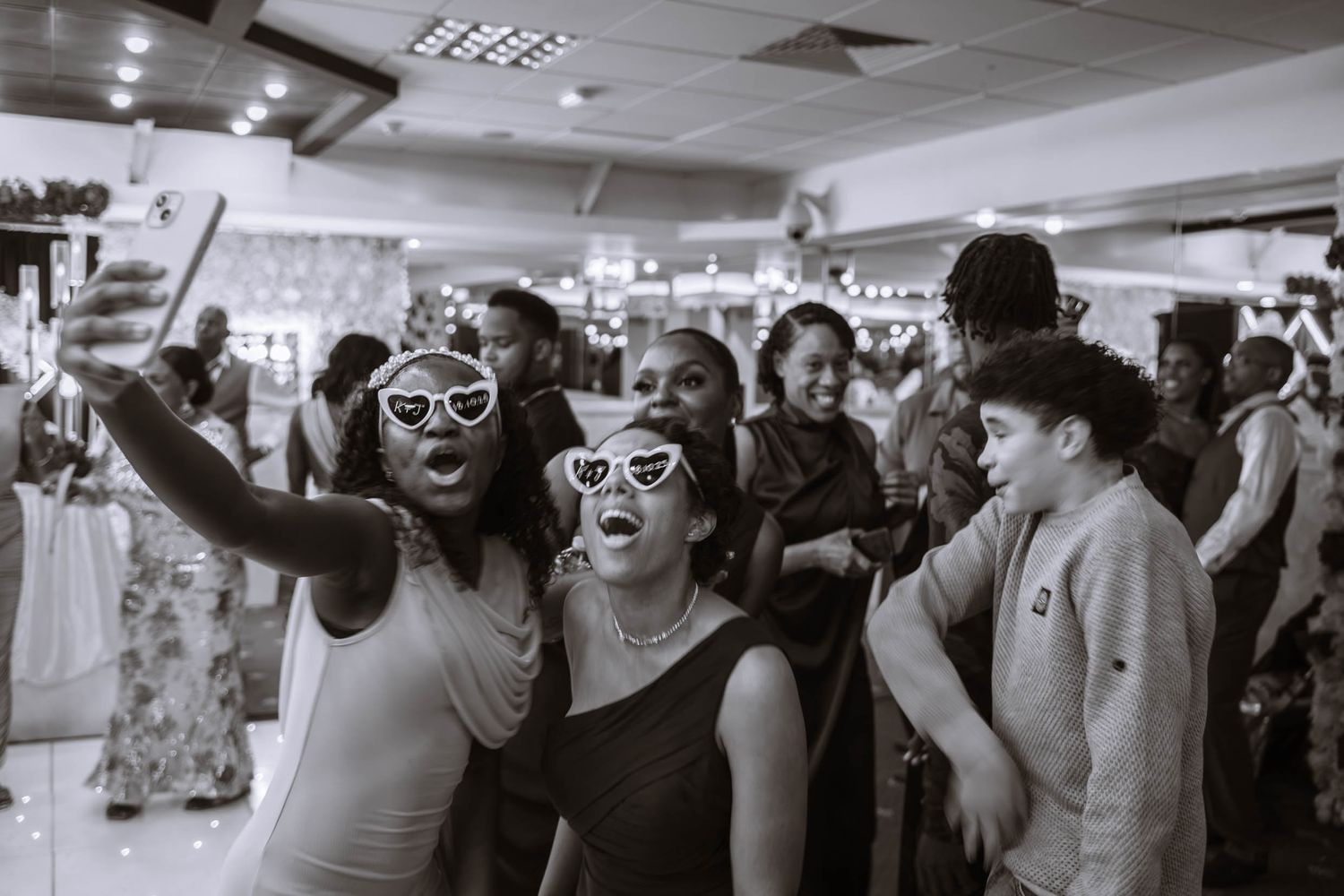
Space for dancing: The dance floor is the centre of a Jamaican reception. A venue where the dance floor is a small square in the corner of a dining room won’t work. You need space for the money dance, for the dancing that follows, for the aunties, for the kids, for the chaos.
Sound system: Either the venue has a good in-house system or it allows your DJ to bring their own. Caribbean music needs bass. A venue’s built-in Bluetooth speaker is not going to cut it.
Capacity and atmosphere: Jamaican weddings tend to be large. Guest lists of 150–300 are common. The venue needs to hold your numbers without feeling like a conference. Community halls, hotel function rooms, dedicated event spaces, and marquees on private land are all options.
Some couples split the day into two, having a ceremony at a church or registry office one day, then the reception at a separate venue on another day where they have full control. This is the most common approach for Jamaican weddings in the UK because it lets you honour the religious ceremony in the right setting and then move somewhere that can handle the reception the way it needs to be.
What Does the Day Actually Look Like?
A Jamaican wedding in the UK doesn’t follow the standard UK wedding day timeline. The energy builds differently, the food comes out differently, and the evening doesn’t wind down the way British weddings tend to.
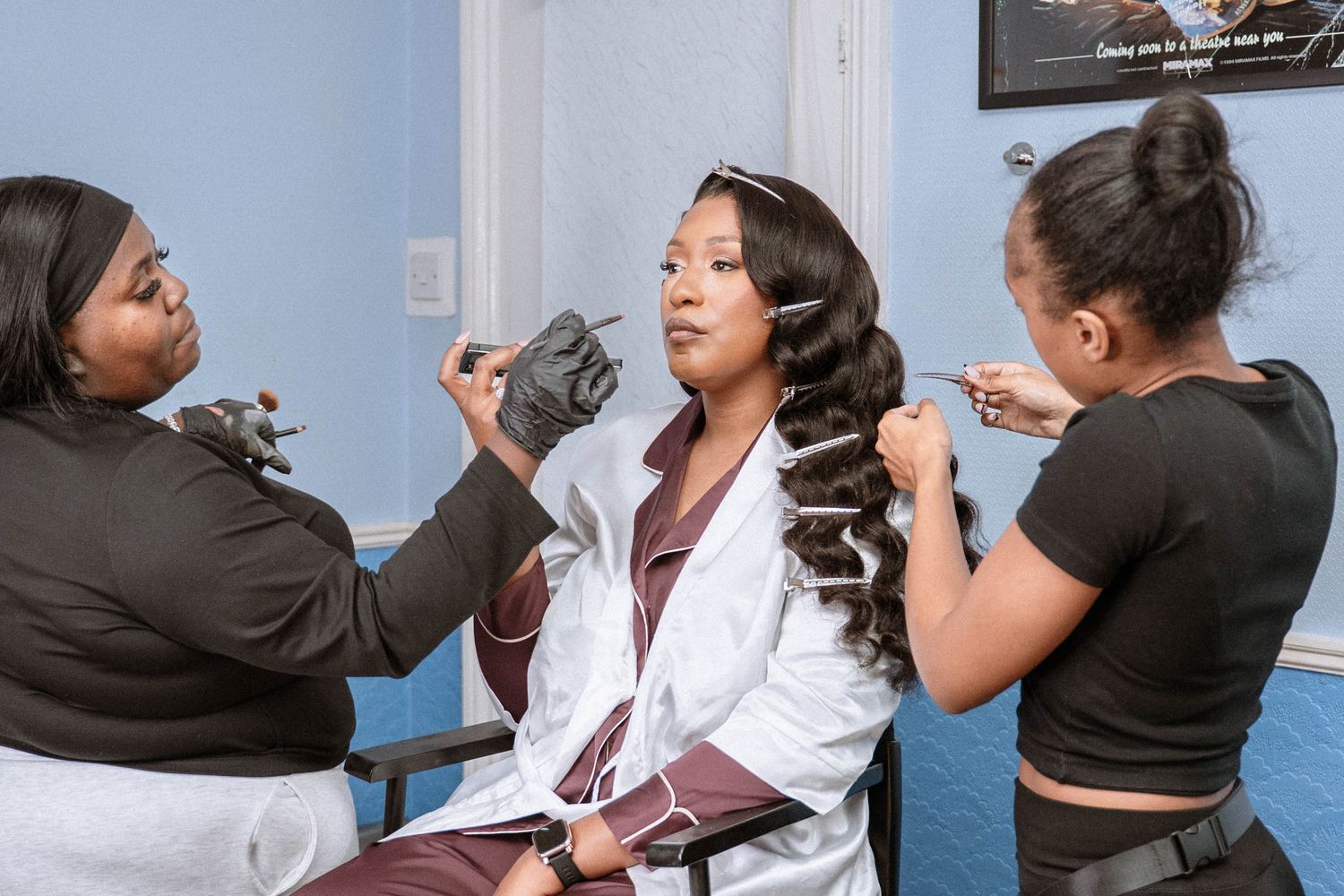
Morning is usually preparation at home. Getting ready is a family event — the house is full of people, music is playing, food is already being prepared. This is part of the day, not a precursor to it. If you’re booking a photographer, starting coverage during the home preparation captures something that hotel bridal prep doesn’t.
The ceremony — church or civil — happens mid to late morning or early afternoon. Both parents walk the bride. The ceremony itself follows the religious or civil format, but the atmosphere is warmer and more vocal than a typical British ceremony. Expect people to respond, to express emotion, to be present in a way that’s different from the polite silence of an English church wedding.
After the ceremony, there’s usually a gap before the reception begins. This might be drinks and photos, or the couple and guests might go to a different venue for the reception. The reception is where everything comes alive. Food is substantial and continuous — not a three-course sit-down with a two-hour gap. Speeches happen but they’re often shorter and less formal than British speeches. The cake ceremony is significant. The money dance is a highlight. And then the dancing takes over and doesn’t stop.
The reception runs late. Plan for it. Don’t schedule your photographer to leave at 9pm when the best moments happen at midnight.
What About Photography?
Photographing a Jamaican wedding in the UK requires understanding the rhythm of the day. The moments that matter aren’t always the ones in the traditional wedding photography playbook. The home preparation. Both parents walking the bride. The energy during the ceremony. The rum cake unveiling. The money dance. The point at midnight when the dance floor is full and three generations are dancing together. That's not your average wedding and that's good.
If your photographer has never shot a Jamaican wedding before, they’ll miss half of this. They’ll be waiting for the “first dance” while the money dance is already happening. They’ll pack up when the real energy is just starting. They’ll shoot the speeches and miss the moment auntie took over the dance floor.
Still need more information for your wedding! Check below!
Looking for a photographer who specialises in Jamaican weddings in Birmingham? See our dedicated page for Jamaican wedding photography in Birmingham. Read Here
Deciding between a church wedding and a civil ceremony? Our civil vs religious ceremony guide breaks down the difference and what each involves. Read Here
Wondering what wedding photography actually costs in Birmingham? Our full pricing breakdown covers every tier and what's included. Read Here